A General-purpose relay (GPR) is a crucial component in electrical control systems, enabling low-power signals to control high-power circuits. Its versatility and wide application across various industries, such as automation, telecommunications, and automotive systems, make it one of the most commonly used electrical devices. This article delves into the working principle, key components, applications, and importance of general-purpose relays in modern electrical and electronic systems.
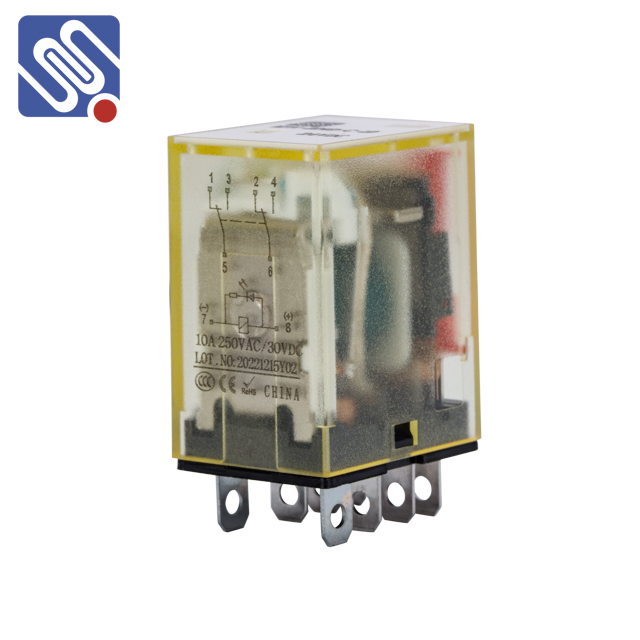
What is a General-purpose Relay? A general-purpose relay is an electromechanical device used to open or close contacts in an electrical circuit based on an input signal. This allows the relay to control the flow of electricity in larger circuits using smaller, safer control voltages. Essentially, it serves as a switch that is activated by an electromagnet (the coil) when energized. The relay’s primary function is to isolate the low-voltage control circuit from the high-voltage circuit, providing a safe method of controlling power to heavy-duty machinery and devices. Its ability to switch both DC and AC loads, as well as its simple mechanical design, has made the general-purpose relay a staple in industrial and residential applications.