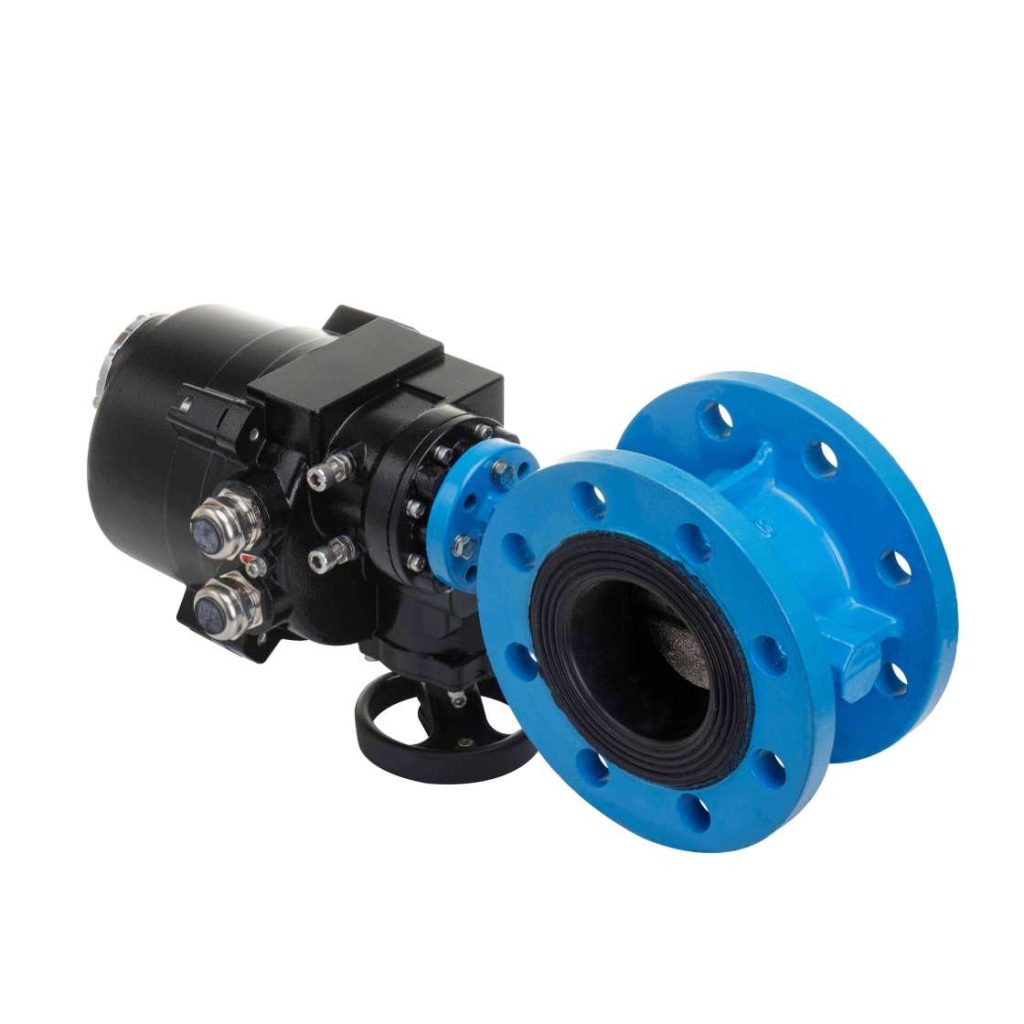
Electric flanged butterfly valves are widely used in various industries for controlling fluid flow in pipes and ensuring efficient operation of automated systems. These valves combine the simplicity and efficiency of butterfly valves with the precision and convenience of electric actuators, making them ideal for applications where flow control and remote operation are required. In this article, we will explore the components, working principles, advantages, applications, and key considerations when choosing electric flanged butterfly valves.
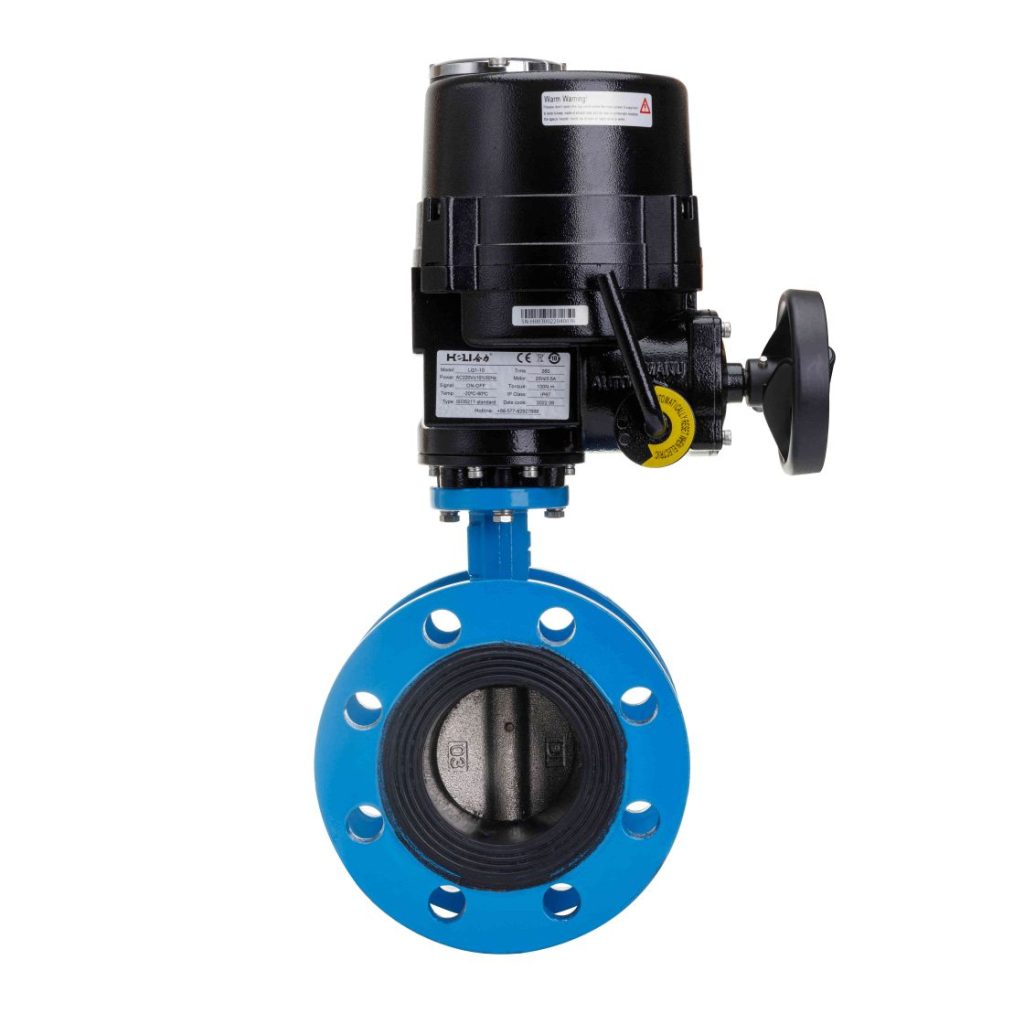
Components of an Electric Flanged Butterfly Valve
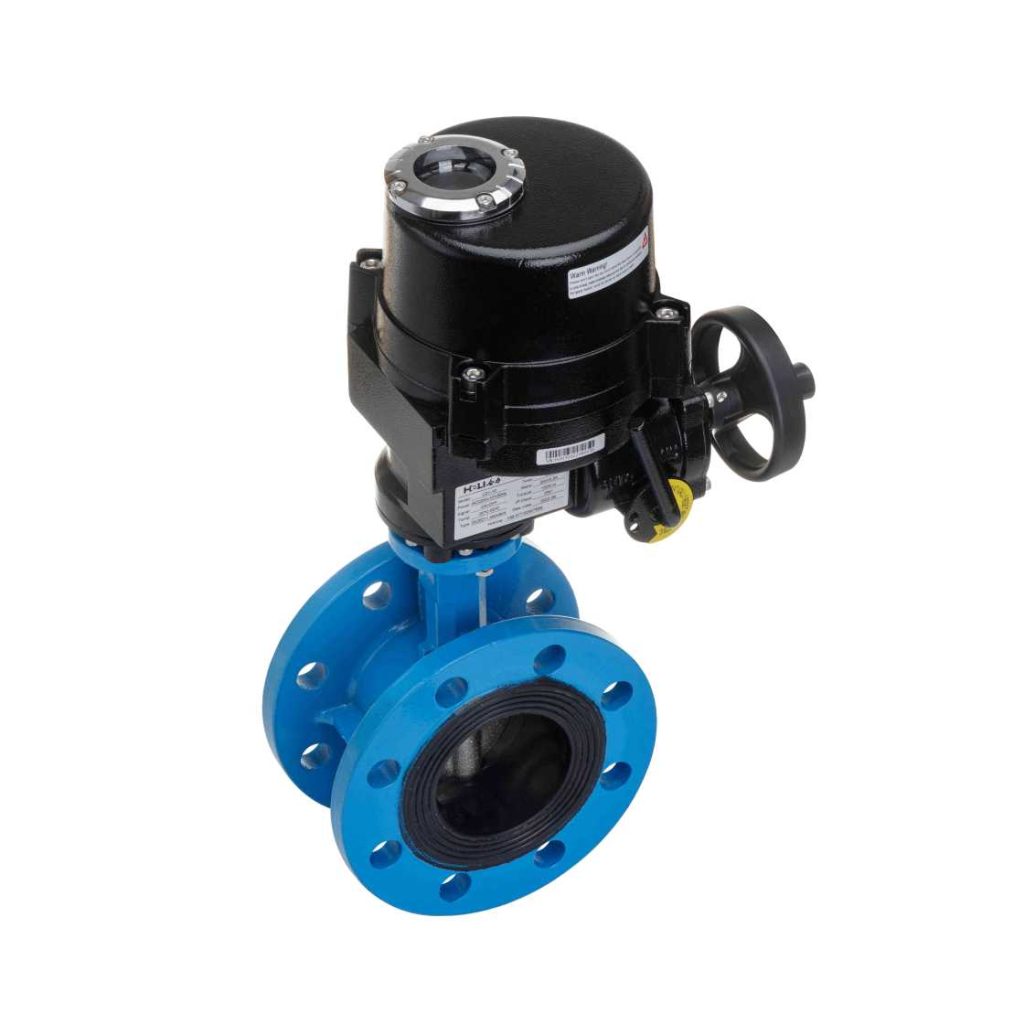
An electric flanged butterfly valve is composed of several key parts that work together to regulate fluid flow. The main components include: Valve Body: The valve body, typically made from materials such as cast iron, stainless steel, or carbon steel, houses the butterfly valve mechanism. The body is flanged at both ends for easy connection to the pipeline, with bolt holes aligned according to standard flange dimensions (e.g., ANSI, DIN, JIS). This allows the valve to be securely installed within the system. Butterfly Disc: The central component of the valve is the butterfly disc, which rotates to control the flow of fluids. The disc is mounted on a shaft that runs through the center of the valve body, and its position determines how much of the pipeline’s cross-sectional area is open. When the valve is closed, the disc blocks the flow; when open, the fluid can pass through.