A relay is an essential component in electrical and electronic circuits, serving as a switch that allows low-power signals to control high-power circuits. Among the many specifications that define a relay’s performance, relay voltage rating is one of the most critical. Understanding this rating is essential for designing reliable systems and preventing equipment failure.
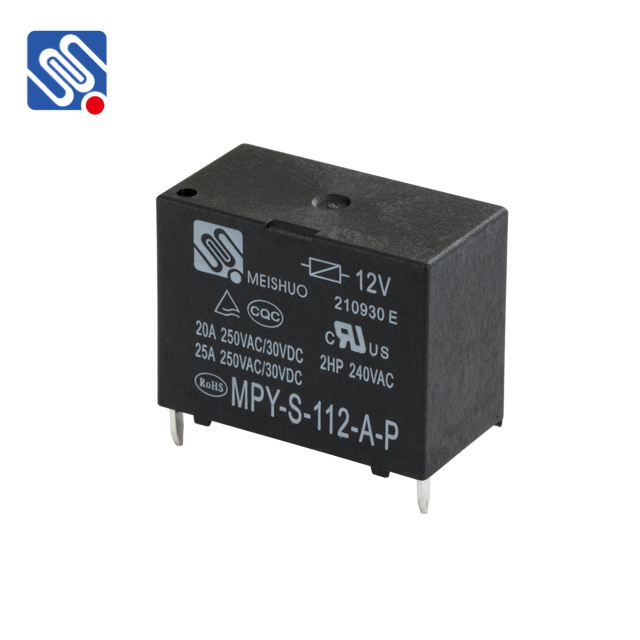
The relay voltage rating refers to the maximum voltage that a relay can safely handle in its operation. This rating is typically divided into two primary categories: the coil voltage rating and the contact voltage rating. Each plays a distinct role in the relay’s function and must be carefully considered during selection. Firstly, the coil voltage rating specifies the voltage required to energize the relay’s coil. When the coil receives the rated voltage, it generates a magnetic field that moves the relay’s internal contacts from their default position to the switched position. If the applied voltage is lower than the rated value, the relay may not activate properly, leading to unreliable switching. Conversely, exceeding the coil voltage rating can overheat the coil, degrade insulation, and potentially burn out the relay. Common coil voltages include 5V, 12V, 24V, and 48V, depending on the type and application of the relay. Selecting the correct coil voltage is crucial to ensure consistent and safe relay operation.