AC Solenoid Valves are integral components in various industries where automated fluid control is essential. These valves operate using an alternating current (AC) to actuate a solenoid, which in turn controls the flow of fluids through a pipe or system. AC solenoid valves are commonly used in applications ranging from industrial automation and water treatment to household appliances and HVAC systems. This article explores the structure, working principle, applications, and advantages of AC solenoid valves, highlighting their importance in modern fluid control systems.
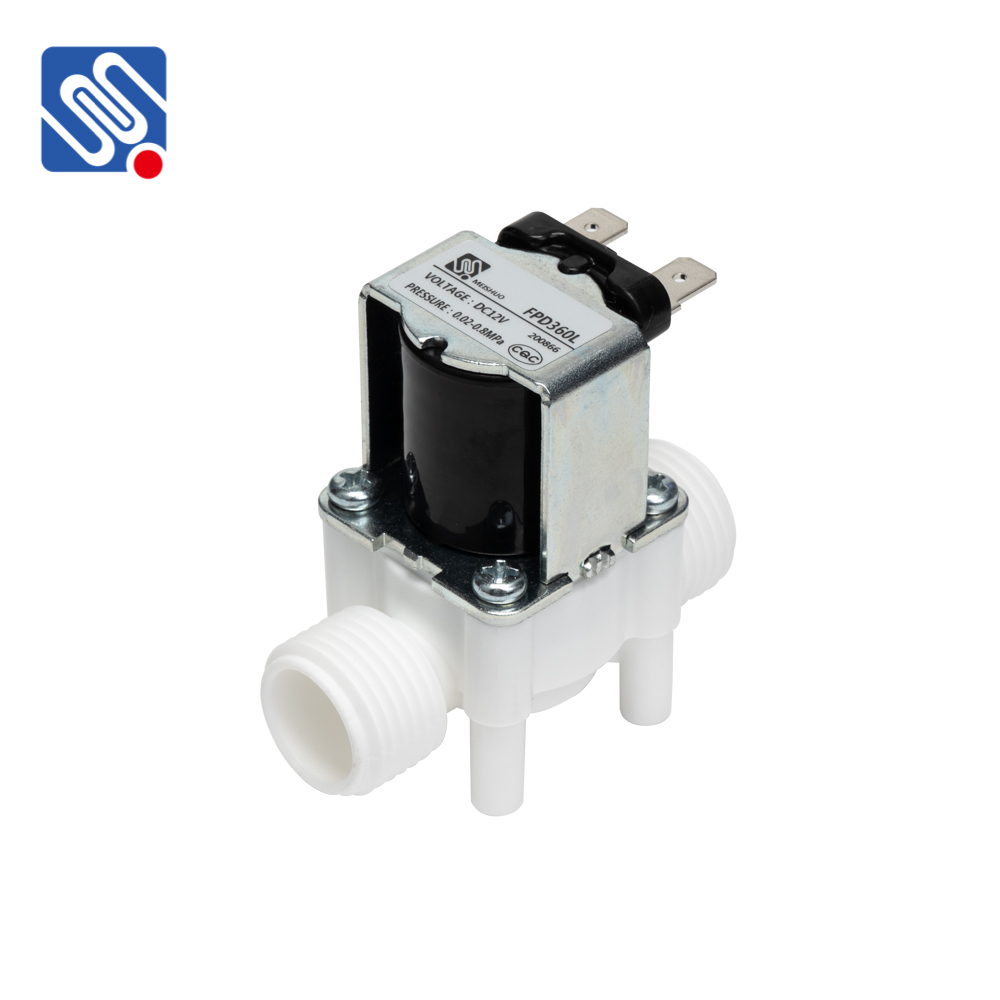
1. What is an AC Solenoid Valve? An AC solenoid valve is a type of electrically operated valve that uses an alternating current (AC) to energize a solenoid coil. This energization creates a magnetic field, which moves a plunger or valve stem to either open or close the valve, thus controlling the flow of fluid through a pipe or system. AC solenoid valves are available in different configurations, such as normally open (NO) and normally closed (NC), depending on the application and desired fluid flow behavior. 2. Structure of AC Solenoid Valve The basic components of an AC solenoid valve include: