The Stainless Steel Electric Single Seat Regulating Valve is a critical component in various industrial systems, offering precise control over the flow of liquids, gases, and steam. This valve type is widely used in industries such as chemical processing, pharmaceuticals, food production, and water treatment. With its robust stainless steel construction and electric actuators, the stainless steel electric single seat regulating valve stands out for its efficiency, durability, and ease of integration into automation systems.
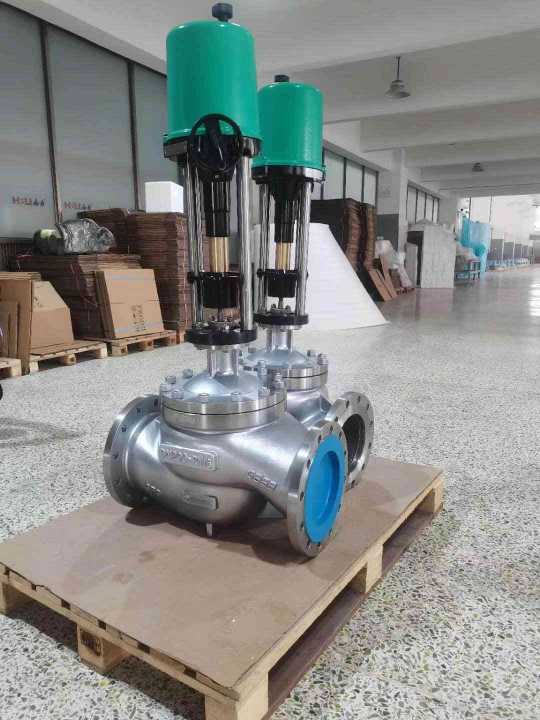
What is a Stainless Steel Electric Single Seat Regulating Valve? A single seat regulating valve is designed to regulate the flow of fluids within a system by adjusting the valve opening. It consists of a single valve seat and a plug that regulates the flow. In an electric single seat regulating valve, an electric actuator is used to move the valve stem, controlling the opening and closing of the valve. The electric actuator receives an input signal (usually from a control system) and adjusts the valve position to maintain the desired flow rate, pressure, or temperature. The “stainless steel” component refers to the material used in the valve body and other critical components, making the valve resistant to corrosion and oxidation. Stainless steel is ideal for harsh environments and ensures that the valve can withstand high temperatures, aggressive chemicals, and other challenging conditions.