An Electromechanical Relay (EMR) is a fundamental component widely used in electrical and electronic control systems. It serves as an electrically operated switch that allows for the control of high-power devices with low-power control signals. By understanding how relays function, their various applications, and advantages, one can appreciate their importance in modern electrical systems.
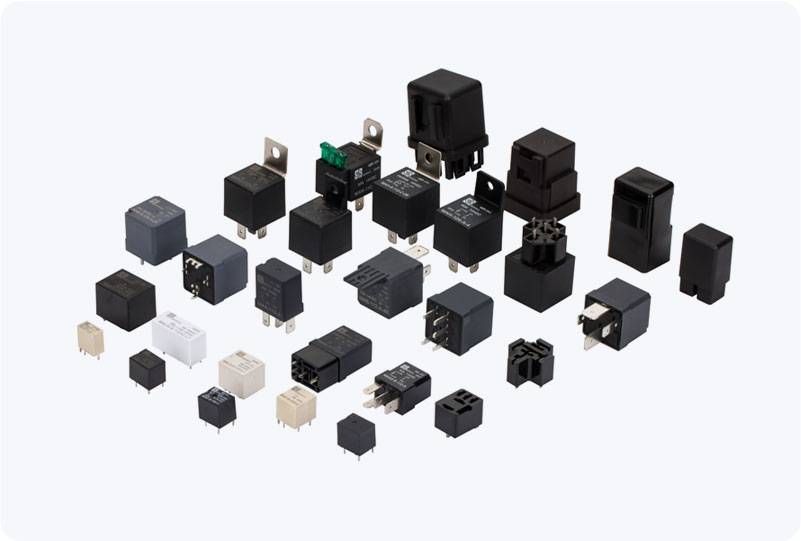
1. What is an Electromechanical Relay? An Electromechanical Relay is essentially a device that utilizes the electromagnetic force to control the switching of electrical contacts. When an electrical current flows through the relay’s coil, it generates a magnetic field that pulls a movable armature. This armature causes the contacts to either open or close, depending on the type of relay, thus completing or interrupting the electrical circuit. This simple mechanism allows a small electrical signal to control a larger current or voltage. The core components of an electromechanical relay include: