Relay assembly techniques play a crucial role in the manufacturing process of electromechanical components, particularly in ensuring that relays function properly in various electrical circuits. These techniques are essential for the creation of reliable relays, which are used in numerous applications ranging from automotive systems to industrial control panels. A relay is an electrically operated switch that opens and closes under specific conditions, and the assembly process must guarantee that all components are perfectly aligned to ensure correct functionality. This article delves into the key steps and best practices for relay assembly techniques, highlighting the importance of precision and quality control.
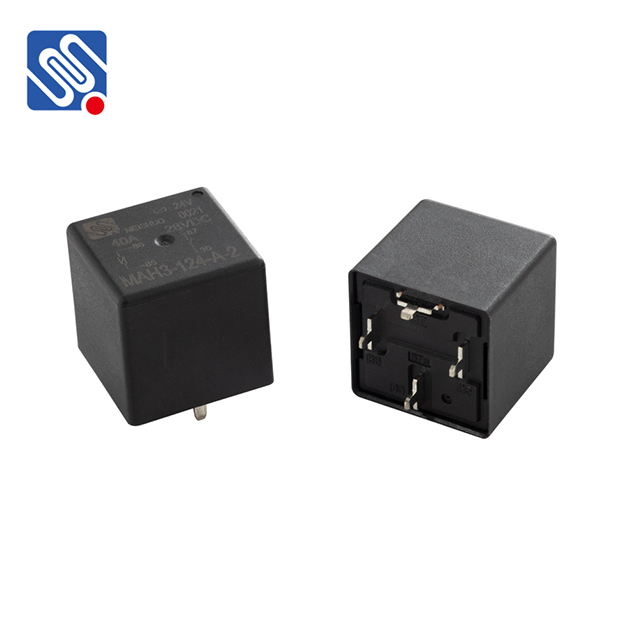
1. Understanding Relay Components A relay consists of several key components: the electromagnet (coil), contacts (both fixed and movable), a spring, and an outer housing. The electromagnet is the core component that, when energized, creates a magnetic field to actuate the movement of the contacts. The contacts, which can either be normally open (NO) or normally closed (NC), are the elements that control the flow of electricity in the circuit. The spring ensures the contacts return to their default positions when the electromagnet is de-energized. The outer housing protects the internal components from external factors like dust and moisture.