Solenoid valves are integral components in various industries, used to control the flow of fluids, gases, and other substances. They come in different materials, with stainless steel and plastic being two of the most popular options. Each material offers distinct advantages, making them suited for specific applications. This article delves into the differences between Stainless Steel and Plastic Solenoid Valves, highlighting their applications, benefits, and drawbacks to help you make an informed decision.
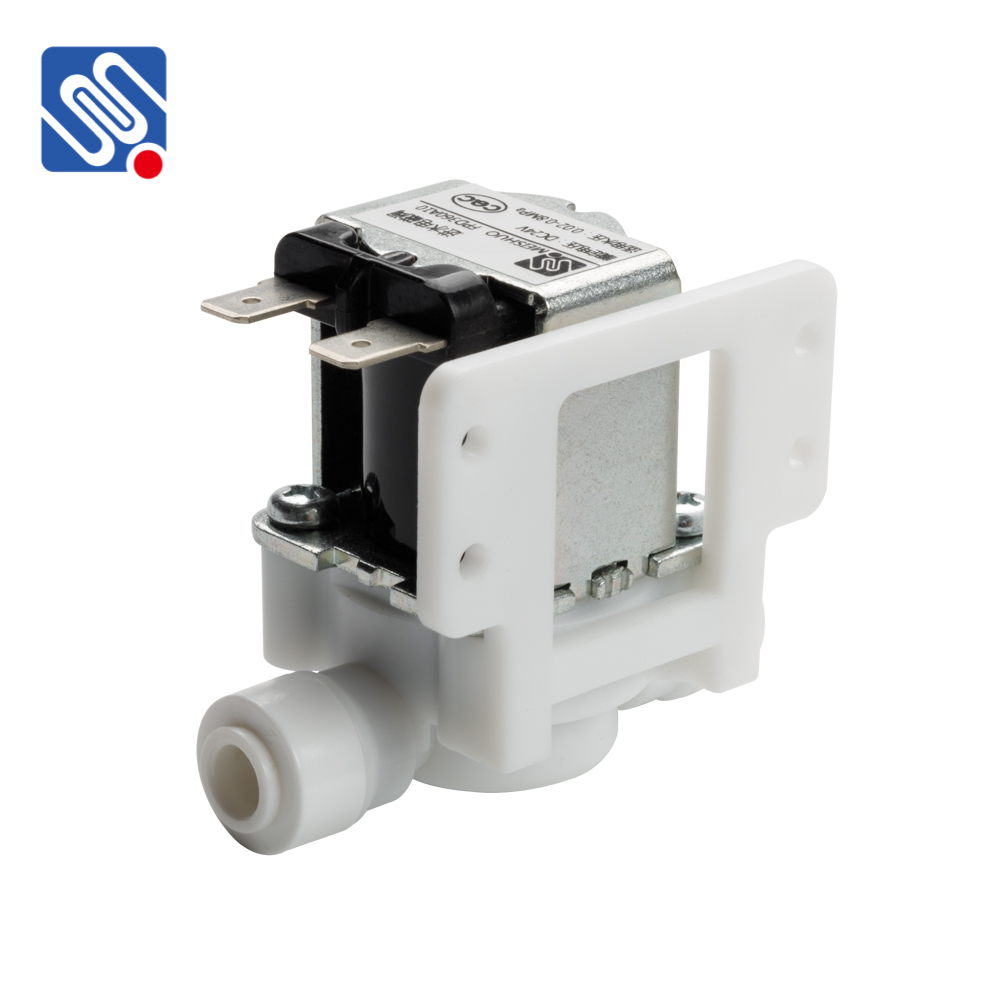
What Are Solenoid Valves? A solenoid valve is an electromechanical device that opens or closes a valve by using an electromagnetic coil. When electrical current flows through the coil, it generates a magnetic field that moves a plunger, opening or closing the valve. This simple yet effective mechanism allows solenoid valves to be used in a wide range of automation and control systems, from irrigation and heating systems to chemical processing plants. The material of the solenoid valve plays a crucial role in determining its durability, performance, and suitability for different environments. Among the many materials available, Stainless Steel and Plastic Solenoid Valves are two of the most commonly used types.