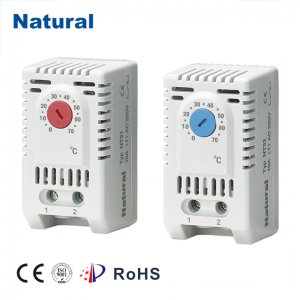
An adjustable mechanical thermostat is a fundamental tool for temperature regulation, offering a straightforward yet reliable way to control the heating or cooling of a space. Despite the rise of digital and smart thermostats in recent years, mechanical thermostats remain widely used due to their simplicity, durability, and cost-effectiveness. This article will delve into the working principles, benefits, and applications of adjustable mechanical thermostats, highlighting why they remain a popular choice for many households and industrial settings.
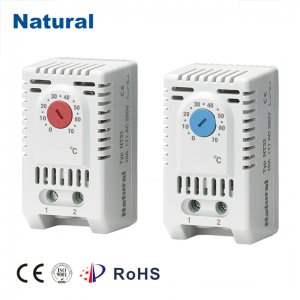
What is an Adjustable Mechanical Thermostat?
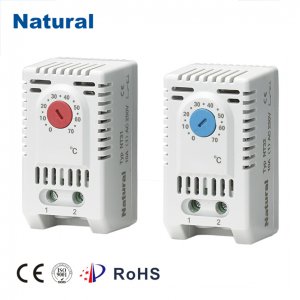
An adjustable mechanical thermostat is a device designed to control the temperature of a system or environment. Unlike digital or smart thermostats, which rely on electronic components and sensors, mechanical thermostats function purely through physical mechanisms. These thermostats usually consist of a metal spring or a bimetallic strip that responds to temperature changes. The thermostat adjusts based on the temperature set by the user and controls the operation of heating or cooling systems, turning them on or off as needed to maintain the desired temperature. How Does It Work? The core mechanism of an adjustable mechanical thermostat relies on a temperature-sensitive component. This component, often a bimetallic strip or a liquid-filled bulb, reacts to temperature changes by either expanding or contracting. When the temperature rises or falls beyond the set point, the change in size triggers a mechanical switch to activate or deactivate the heating or cooling system.