Relays are essential components in many electrical systems, acting as switches that control the flow of electricity. One of the crucial specifications to consider when selecting a relay is its voltage rating. The relay voltage rating encompasses several aspects, including the coil voltage, contact voltage, and insulation rating, all of which play a significant role in determining whether a relay is suitable for a particular application. This article delves into the different facets of relay voltage ratings, their importance, and considerations for effective relay selection.
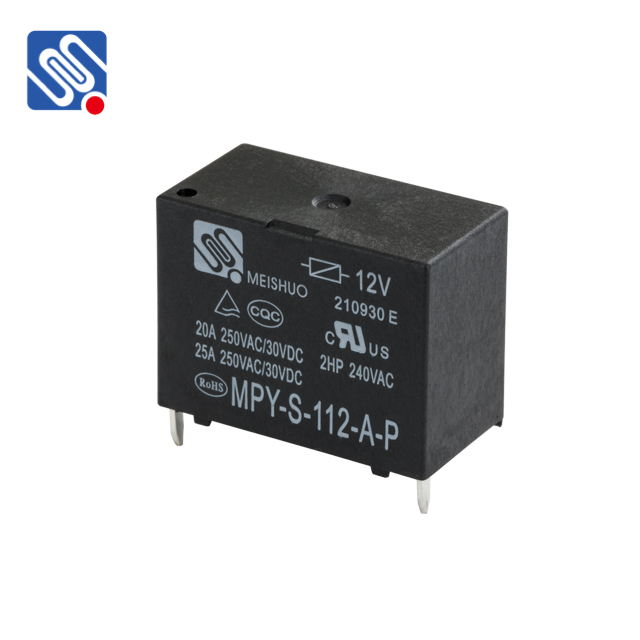
What is Relay Voltage Rating? The relay voltage rating refers to the maximum voltage that a relay can safely handle, both for its operating coil and the load that it controls. This rating is typically provided by the manufacturer and is vital for ensuring the relay functions correctly without risk of damage or failure. Understanding these ratings helps engineers and technicians select the right relay for their specific needs, allowing for safe and reliable operation in various electrical applications. 1. Coil Voltage The coil voltage is the voltage required to energize the relay coil. This voltage can be either alternating current (AC) or direct current (DC) depending on the design and intended use of the relay. Each relay has a specific coil voltage rating, which is the voltage that allows the relay to close or open its contacts efficiently. Common coil voltages include 5V, 12V, 24V, 120V, and 240V depending on the system’s requirements. It’s essential to match the coil voltage with the voltage supplied by the control circuit, as applying a voltage that is too high can lead to overheating and damage, while a voltage that is too low may prevent the relay from operating.