In industrial settings, safety is paramount, and one crucial aspect of maintaining a safe working environment is controlling hazardous energy during maintenance and repair operations. One key device used to ensure worker safety in such situations is the valve lockout device. This device plays an essential role in preventing accidental valve operation during critical tasks and safeguarding personnel from potentially fatal injuries. In this article, we will explore the importance of valve lockout devices, their functionality, and their role in ensuring compliance with safety regulations.
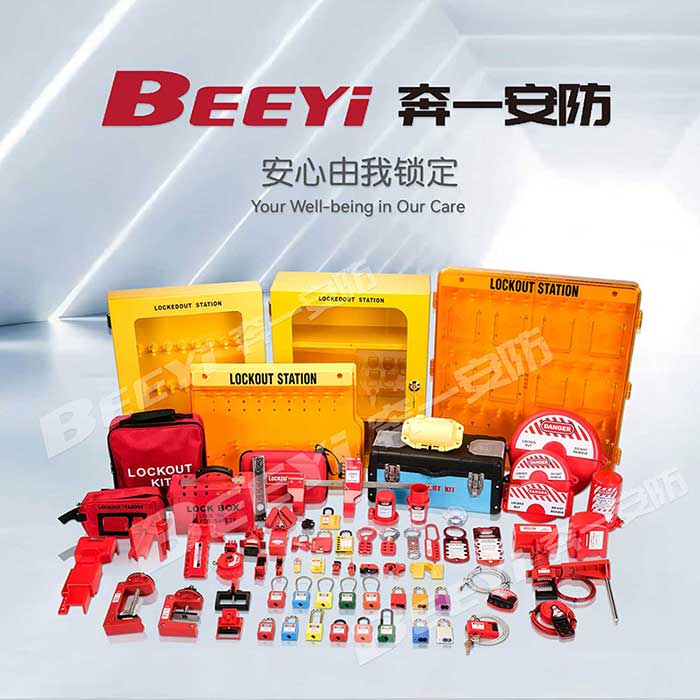
What is a Valve Lockout Device? A valve lockout device is a mechanical or electronic safety device that is used to secure industrial valves in a closed or off position. These devices are part of a broader lockout/tagout (LOTO) program, which aims to prevent the accidental release of hazardous energy while workers are servicing or maintaining equipment. The primary function of a valve lockout device is to isolate energy sources, such as pressure, electricity, or chemicals, from the equipment being serviced, and to ensure that these sources cannot be inadvertently re-energized while work is being carried out.