In today’s increasingly complex industrial environments, safety is of paramount importance. Electrical systems, which are the backbone of most industrial processes, often face numerous risks, including electrical faults, surges, and failures. To mitigate these risks, particularly in safety-critical applications, the Safety Isolated Relay (SIR) plays a crucial role. This relay provides an essential function in safeguarding not only the equipment but also human operators. In this article, we will explore what a Safety Isolated Relay is, how it works, its key features, and its significance in modern industrial automation systems.
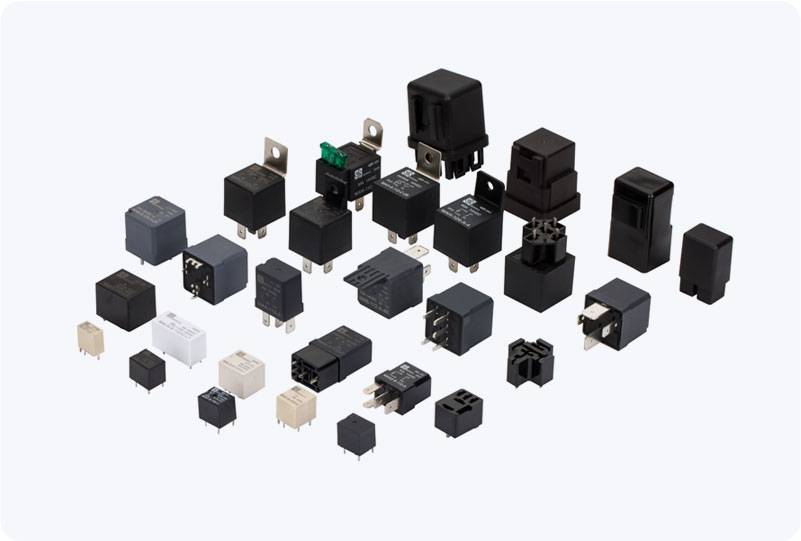
What is a Safety Isolated Relay? A Safety Isolated Relay is an electromechanical device used to provide electrical isolation between circuits in a system. The primary function of this relay is to protect sensitive equipment and human operators from potential hazards arising from electrical faults. By maintaining an electrical barrier between different parts of a circuit, the SIR ensures that if one part of the system experiences a failure or dangerous surge, the other parts are shielded from damage or disruption. This isolation is vital in preventing issues such as ground loops, electrical shorts, or overvoltage conditions that could otherwise cause costly damage or harm. The relay accomplishes this through the use of components like transformers or optocouplers, which enable it to transmit control signals while maintaining electrical separation.
Leave a Reply
You must be logged in to post a comment.