In electric vehicles (EVs), the efficient and safe management of electrical systems is crucial for optimal performance and longevity. One of the essential components in this regard is the EV Main Contactor Relay. This device plays a critical role in the electrical architecture of electric vehicles, controlling the high-voltage circuit between the battery and other parts of the vehicle’s powertrain. In this article, we will delve into the purpose, working principle, key features, and importance of the EV Main Contactor Relay in the context of modern electric vehicles.
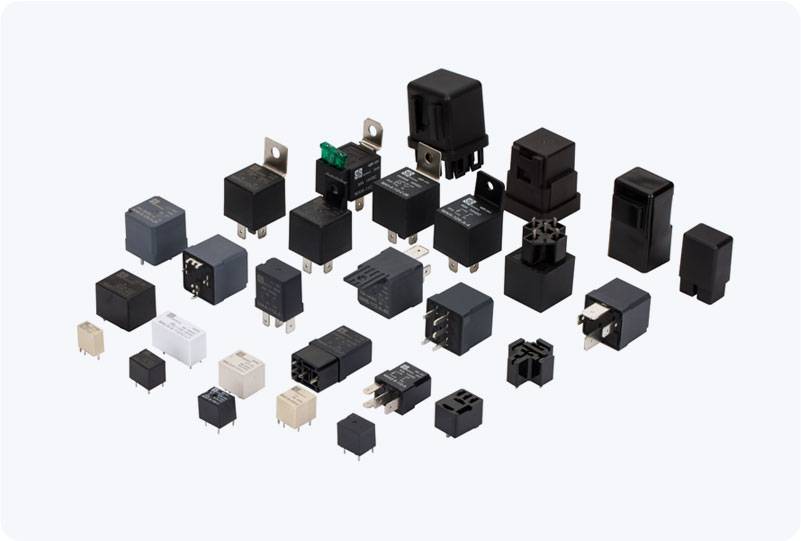
What is an EV Main Contactor Relay? An EV Main Contactor Relay is an electromechanical switch that connects and disconnects high-voltage circuits in an electric vehicle. These circuits are responsible for powering critical components like the electric motor, onboard chargers, and auxiliary systems. The main relay functions as a safety mechanism by controlling the flow of high-voltage electricity and ensuring that the powertrain is activated or deactivated under safe conditions. The relay is typically located between the high-voltage battery and the electric motor or inverter. When the vehicle is in operation, the relay allows electrical current to flow from the battery to the motor, enabling the vehicle to move. When the vehicle is turned off, or in the event of an emergency, the relay cuts off the circuit, preventing the battery from discharging or causing any electrical hazards.
Leave a Reply
You must be logged in to post a comment.