A differential thermostat is an essential device used in various temperature control systems to maintain desired temperature conditions with high precision. Unlike traditional thermostats that control based on a single temperature threshold, a differential thermostat operates by monitoring the temperature difference between two or more points. This specialized approach makes it ideal for applications requiring a precise and dynamic response to temperature variations. This article will explore the workings, applications, and benefits of differential thermostats in different industries.
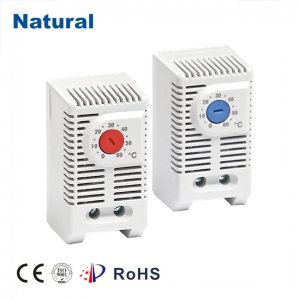
How Does a Differential Thermostat Work?
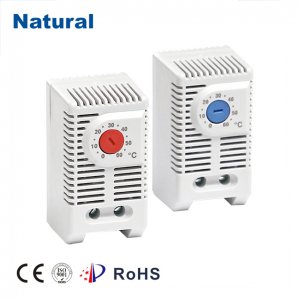
The core principle behind a differential thermostat is the comparison of temperatures between two different locations, typically referred to as the “sensing” points. It uses two temperature sensors, usually thermistors, thermocouples, or resistance temperature detectors (RTDs), to measure the temperature at two distinct points within the system. The device is programmed to activate or deactivate a heating or cooling system when the temperature difference between these two points reaches a preset value, known as the differential setpoint. For example, in a solar water heating system, the differential thermostat monitors the temperature of the water in the solar collector and the water in the storage tank. When the water in the collector becomes hotter than the water in the tank by a predetermined threshold, the thermostat signals the pump to circulate the heated water into the tank. If the temperature difference falls below the set threshold, the pump is turned off.
Leave a Reply
You must be logged in to post a comment.