Relay voltage rating is a fundamental concept in electrical engineering and circuit design, playing a critical role in ensuring the safe and effective operation of electronic systems. Relays are electromagnetic devices that act as electronic switches, allowing one circuit to control another. They are employed in various applications, from simple household appliances to complex industrial systems. Understanding the voltage ratings associated with relays is essential for engineers and technicians who work with these devices.
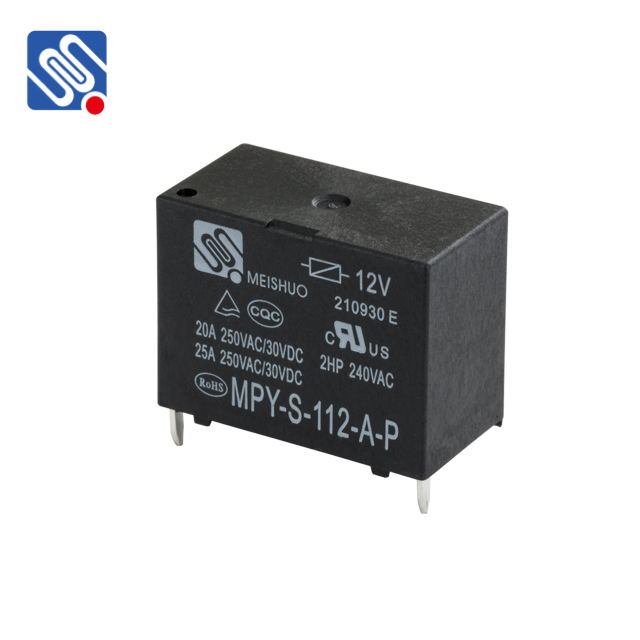
At its core, the relay voltage rating consists of two main components: the contact voltage rating and the coil voltage rating. Each of these ratings serves a distinct purpose and is crucial for the relay’s functioning. The contact voltage rating refers specifically to the maximum voltage that the relay’s contacts can safely switch. This rating indicates the highest voltage that can be applied to the relay contacts without risking arcing, overheating, or damage. Different types of relays, such as standard relays, solid-state relays, and high-power relays, have varying contact voltage ratings suited for specific applications. For instance, a typical relay used in home automation systems may have a contact voltage rating of 120V or 240V, while those used in industrial setups could have ratings exceeding 480V.