Water treatment is one of the most critical processes in ensuring the quality of water we consume, use for industrial purposes, or discharge as wastewater. From municipal water plants to industrial filtration systems, water treatment involves several intricate steps, each requiring precise control of water flow. Among the essential components in these systems is the solenoid valve, particularly the Water Treatment System Solenoid Valve. This valve plays a crucial role in automating the water treatment process, improving system efficiency, and ensuring the desired water quality is maintained.
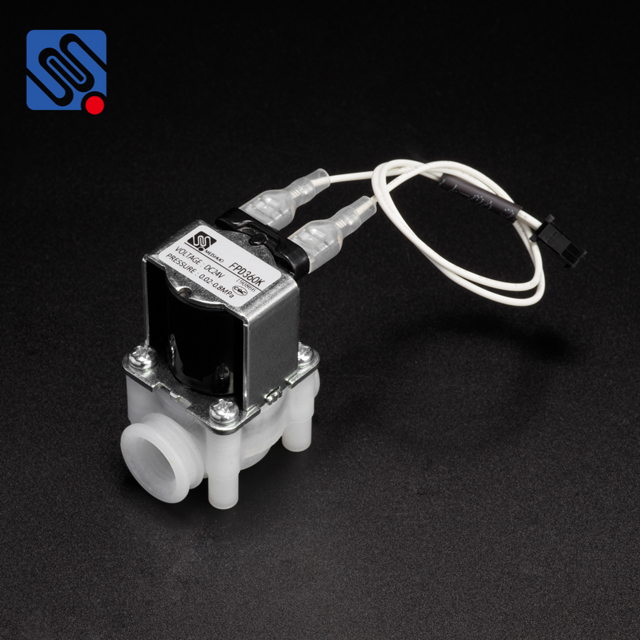
What is a Water Treatment System Solenoid Valve? A solenoid valve is an electrically controlled valve that regulates the flow of water through a pipe. It uses an electromagnetic solenoid to control the opening and closing of the valve. In a water treatment system, the solenoid valve is typically used to automate the regulation of water flow at various stages of the treatment process, from filtration to disinfection. This valve responds to electrical signals from control systems, ensuring that the water flow is appropriately managed based on the system’s needs. How Does a Water Treatment System Solenoid Valve Work?