A Low Voltage DC Relay plays a crucial role in modern electronic systems by providing a controlled means of switching DC circuits with relatively low control power. These relays allow small voltage signals to control high-current devices, offering both electrical isolation and safety. This article will explore the function, applications, benefits, and considerations associated with Low Voltage DC Relays.
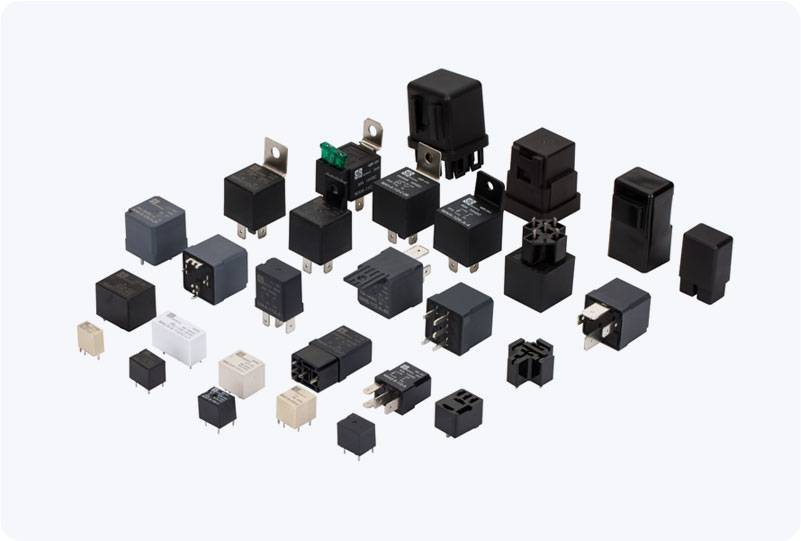
What is a Low Voltage DC Relay? At its core, a relay is an electromagnetic switch that enables one circuit to control another without direct electrical connection. A Low Voltage DC Relay, as the name implies, is designed to operate in systems that use DC voltages typically under 60V. These relays are engineered to handle low-voltage signals, which makes them ideal for controlling devices that require higher power but still need to be triggered by a smaller signal. When a voltage is applied to the coil of the relay, it generates a magnetic field that moves the relay’s armature, closing or opening the contact points. This action effectively allows a small DC current to control a larger DC current in a separate circuit, ensuring that the low-voltage control system is electrically isolated from the power circuit.