Reverse Osmosis (RO) technology has revolutionized water purification by providing a reliable solution for producing clean drinking water from contaminated sources. A key component in an RO system is the RO solenoid valve, which plays a critical role in regulating water flow and ensuring the smooth operation of the filtration process. In this article, we will explore the function, working principle, applications, and advantages of RO solenoid valves in water treatment systems.
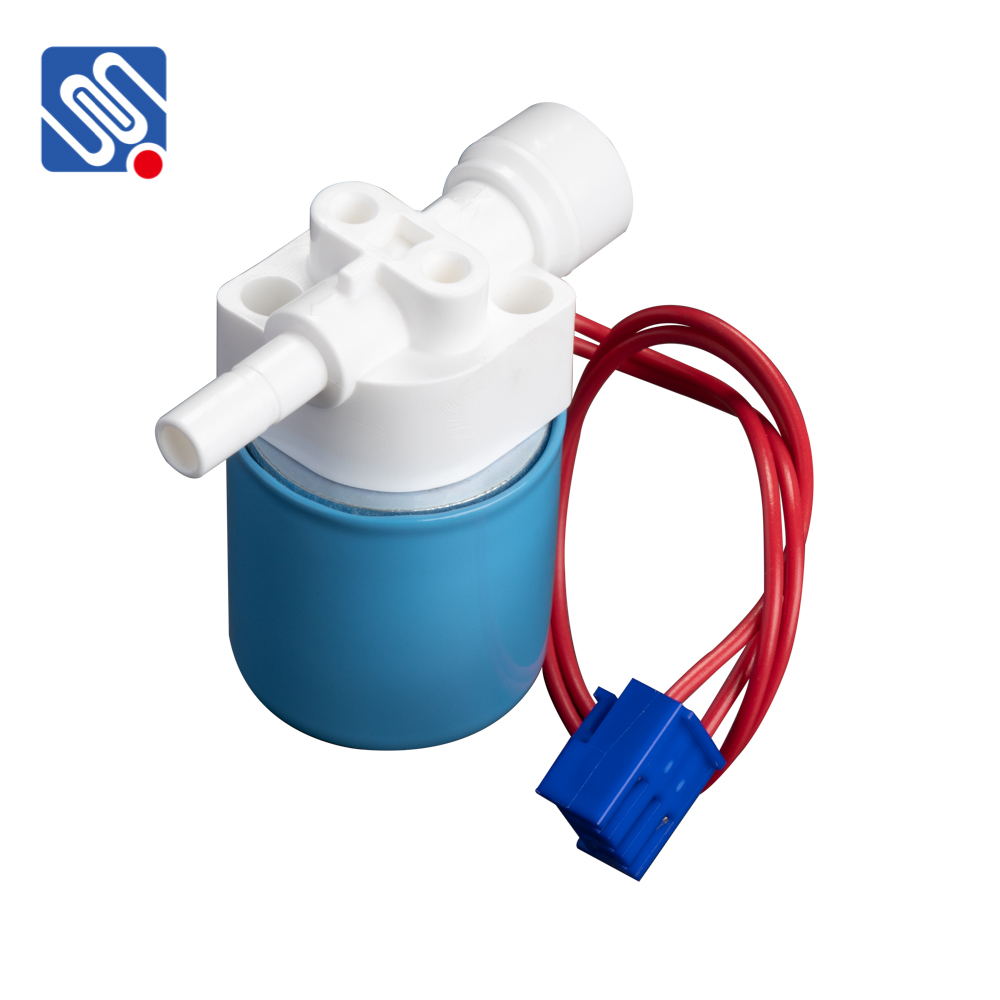
What is an RO Solenoid Valve? An RO solenoid valve is an electrically controlled valve that regulates the flow of water in an RO system. It consists of a solenoid coil and a valve mechanism that opens or closes in response to an electrical signal. The solenoid coil generates a magnetic field when energized, which moves the valve mechanism to either allow or block the flow of water. This simple yet effective design enables the RO solenoid valve to control water flow automatically and with great precision. Function of RO Solenoid Valve The primary function of an RO solenoid valve is to control the inflow and outflow of water in an RO filtration system. It ensures that water only flows when necessary, thereby optimizing the efficiency of the system and reducing energy consumption. Specifically, RO solenoid valves are used in several critical areas within the system: