A Building Water Supply Solenoid Valve is an essential component in modern plumbing systems, offering control over the water flow with the use of electric signals. This electrically operated valve is widely used for applications in residential, commercial, and industrial settings, ensuring efficient water management. By regulating the flow of water based on electrical input, the solenoid valve enhances automation, energy efficiency, and precision in water supply systems. This article delves into the role, working mechanism, benefits, and applications of the Building Water Supply Solenoid Valve.
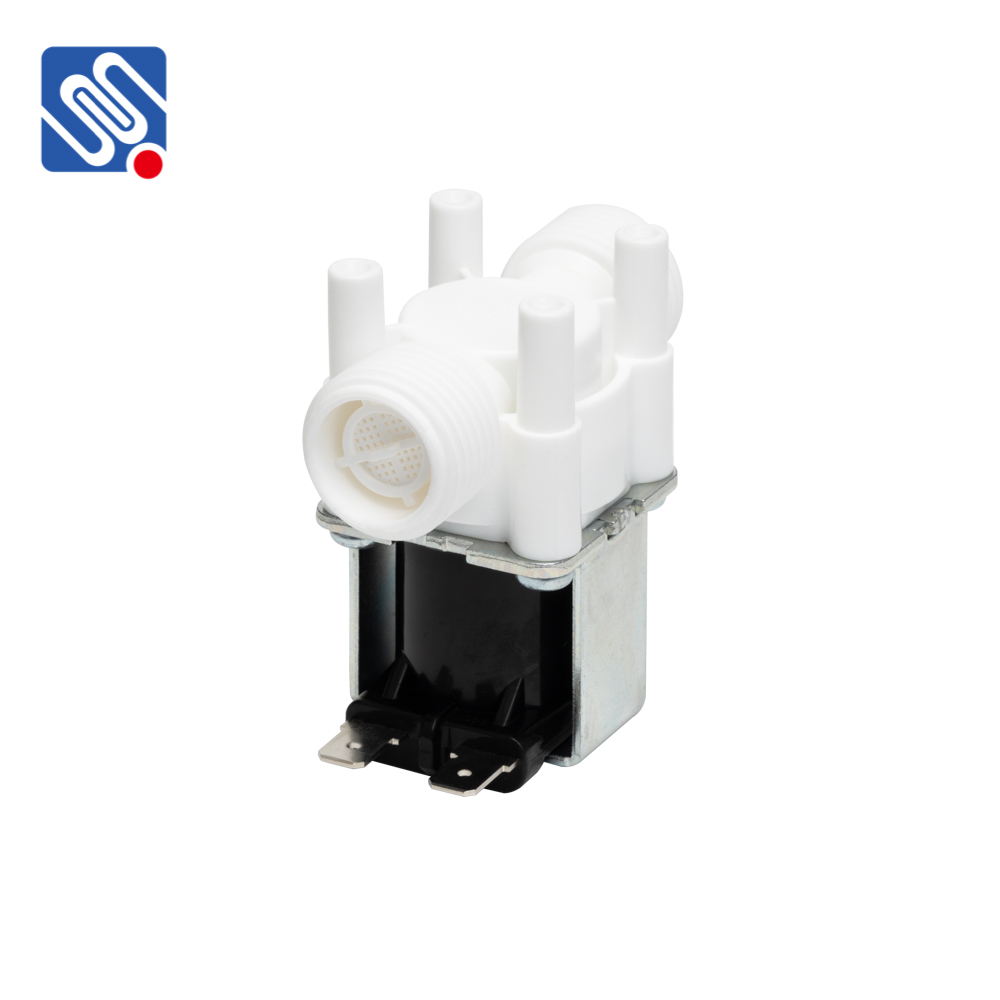
What is a Solenoid Valve? A solenoid valve is an electrically operated valve that controls the flow of water by using an electromagnet to open or close the valve. When an electric current is passed through the solenoid coil, it generates a magnetic field that moves a plunger or diaphragm within the valve, either opening or closing it. This allows the valve to regulate water flow automatically or on-demand, depending on the system’s requirements. In the context of building water supply systems, solenoid valves are essential for controlling water distribution across various systems, such as plumbing, irrigation, and appliances. They can function to control water flow to specific parts of a building, such as bathrooms, kitchens, or water-driven devices like dishwashers and washing machines.