Automotive relays play a crucial role in modern vehicles, enabling the control of high-current devices through low-current circuits. One of the most essential components of an automotive relay is the coil, which serves as the electromagnetic mechanism responsible for activating or deactivating the relay. Understanding the specifications of the automotive relay coil is vital for ensuring the reliable operation of automotive electrical systems. This article delves into the key specifications of automotive relay coils, including their voltage, current, resistance, and more.
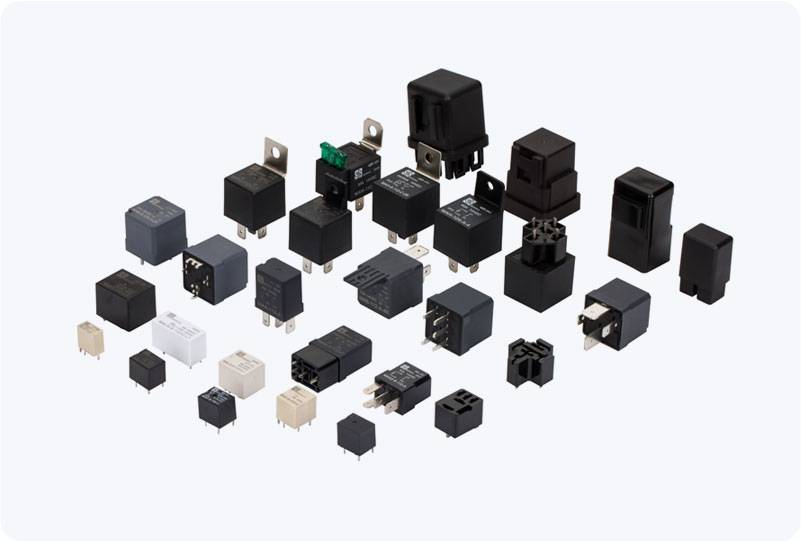
1. Coil Voltage The coil voltage is one of the most critical specifications for an automotive relay. This is the voltage required to energize the relay coil, causing it to create a magnetic field that activates the relay’s switch. Most automotive relays are designed to operate at 12V DC (direct current), which is the standard voltage for most automotive electrical systems. However, there are also 24V DC relays used in larger vehicles or commercial applications. The coil voltage specification determines whether a relay is compatible with a particular electrical system. It is important to ensure that the relay is rated for the correct voltage to avoid malfunction or damage to the electrical components.