Relays are integral components in modern electrical and electronic systems, acting as switches that control the flow of current in various circuits. They are used in a wide range of applications, from simple home appliances to complex industrial automation systems. One of the most critical specifications when selecting a relay is its current rating. In this article, we will explore the concept of relay current rating, its significance, and the factors that influence its selection and performance.
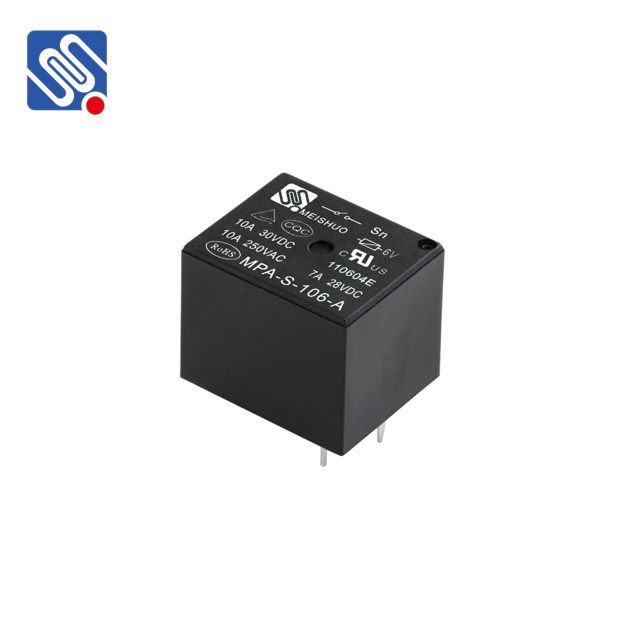
What is Relay Current Rating? Relay current rating refers to the maximum amount of current a relay can handle without experiencing damage or degradation in its performance. This rating is typically expressed in amperes (A) and varies depending on the type of relay and its intended application. The current rating is divided into several categories, including the rated load current, maximum switching current, and maximum carrying current. Rated Load Current: This is the maximum current the relay can switch under normal operating conditions, ensuring that it does not exceed the thermal and mechanical limits of the relay contacts.