In various industries, the use of solenoid valves has become essential for controlling the flow of fluids and gases. These electrically operated valves rely on a magnetic field generated by an electromagnet to open or close, regulating the flow with precision. While solenoid valves are widely used across industries, those specifically designed to be non-toxic are crucial in applications where safety and purity are paramount. A non-toxic solenoid valve is engineered with materials that do not release harmful substances, ensuring that the fluid or gas being controlled remains free from contamination. This article explores the importance of non-toxic solenoid valves, their key applications, and the materials that make them safe for use in sensitive environments.
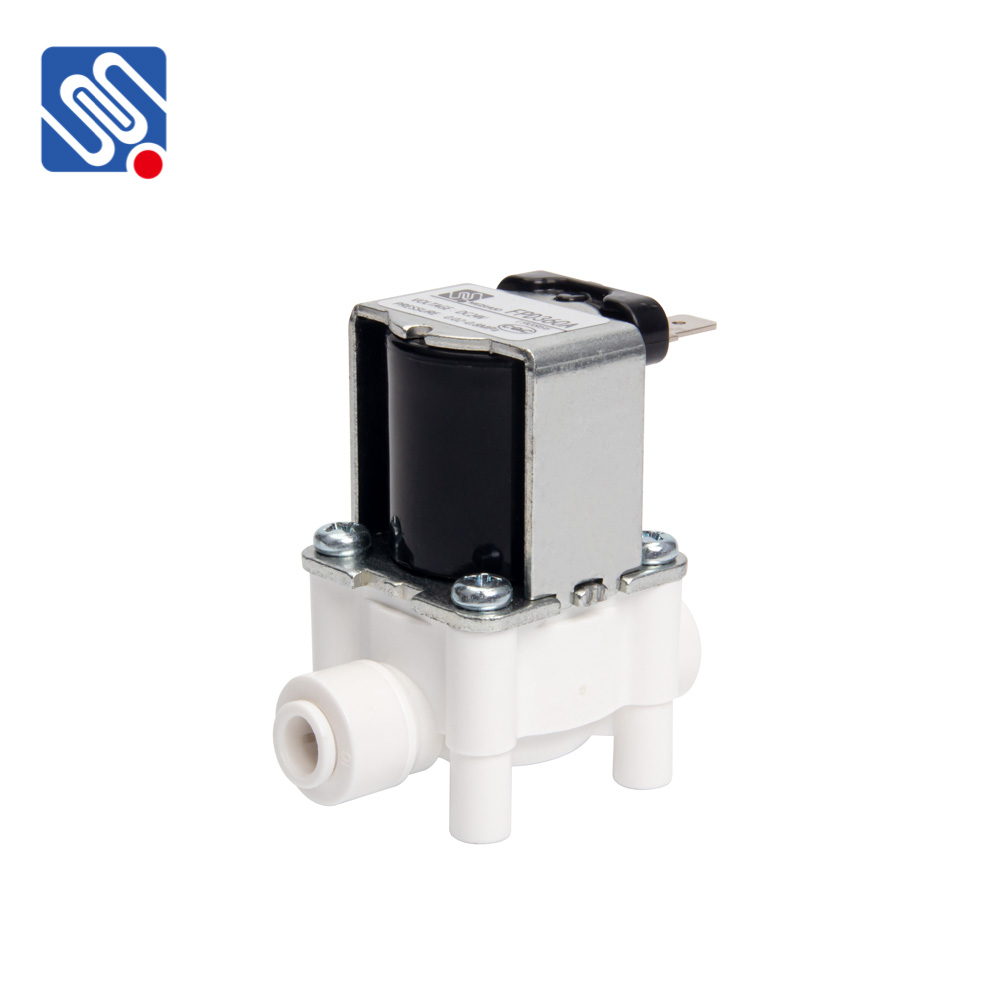
What is a Non-toxic Solenoid Valve? A solenoid valve is a mechanical device used to control the flow of liquids or gases. It operates by using an electric current to generate a magnetic field that either opens or closes a valve, depending on the design. A non-toxic solenoid valve is specifically designed to be safe for use in industries where the flow of materials must not be contaminated with harmful chemicals or toxins. The primary feature that distinguishes non-toxic solenoid valves from regular ones is the use of non-toxic, FDA-approved materials in their construction. These materials ensure that no hazardous substances are leached into the fluid or gas, making them ideal for critical applications such as food processing, pharmaceuticals, and medical equipment. The non-toxic nature of these valves makes them vital in ensuring safety and maintaining compliance with strict health regulations.