In modern automobiles, the electrical system plays a crucial role in powering various components, such as headlights, motors, fuel pumps, and cooling systems. One of the unsung heroes in this system is the high current car relay, a device that enables the control of heavy-duty electrical components without overloading the vehicle’s switches or wiring. In this article, we will explore the functions, types, applications, and benefits of high current car relays, and why they are essential for maintaining the efficiency and longevity of your car’s electrical system.
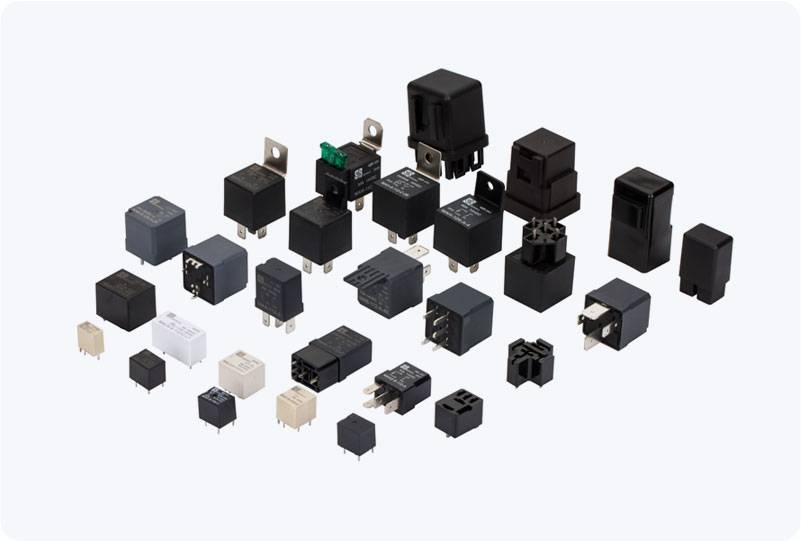
What is a High Current Car Relay? A high current car relay is an electrical switch that uses a low-power electrical signal to control a high-power circuit. It is designed to handle large currents, typically ranging from 30 to 40 amps or more. In essence, a relay allows a small amount of current to activate a switch, which in turn controls the flow of a much larger current. This is particularly important in automotive systems, where certain components require a substantial amount of electrical power to operate. The basic construction of a high current relay consists of two main parts: the coil and the contacts. When a small current flows through the coil, it generates a magnetic field that moves the contacts. These contacts then either open or close, allowing or interrupting the larger current flow to the attached load (e.g., a motor, light, or other component).