As electric vehicles (EVs) continue to evolve, the automotive industry is transitioning from traditional 12V electrical systems to more powerful 48V systems. This shift is essential for meeting the increasing demands of electric propulsion, battery management, and auxiliary systems in modern EVs. A critical component in this transition is the 48V automotive relay, which plays a pivotal role in controlling high-power systems efficiently and reliably.
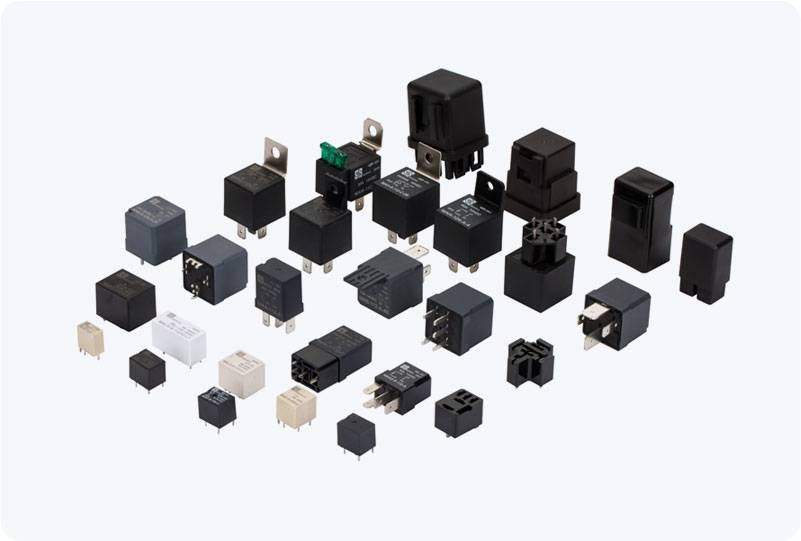
The Growing Importance of 48V Electrical Systems in EVs Electric vehicles rely heavily on electrical systems to power everything from the motors to air conditioning and infotainment systems. While traditional 12V systems have been the standard for decades, the growth in the power requirements of modern vehicles—particularly electric and hybrid models—has created a need for more robust systems. This is where the 48V architecture comes in, providing greater efficiency and enabling the integration of more advanced features in EVs. The 48V electrical system is particularly advantageous in hybrid electric vehicles (HEVs) and mild hybrid electric vehicles (MHEVs). These vehicles incorporate both an internal combustion engine (ICE) and an electric motor, and the 48V system serves as the backbone for a range of high-power applications. This architecture is also increasingly found in fully electric vehicles to support high-performance motors, energy recovery systems, and auxiliary electric components.