A Normally Open Solenoid Valve (NOSV) is a type of electromagnetic valve commonly used in industrial systems for controlling the flow of gases, liquids, or steam. These valves are designed to remain open under normal conditions, allowing fluid to pass through when no electric power is supplied to the solenoid coil. Only when the coil is energized does the valve close, blocking the flow. This functionality makes Normally Open Solenoid Valves integral to a variety of systems, where fluid flow needs to be controlled automatically based on an electrical signal. In this article, we will explore how NOSVs work, their advantages, and their applications in various industries.
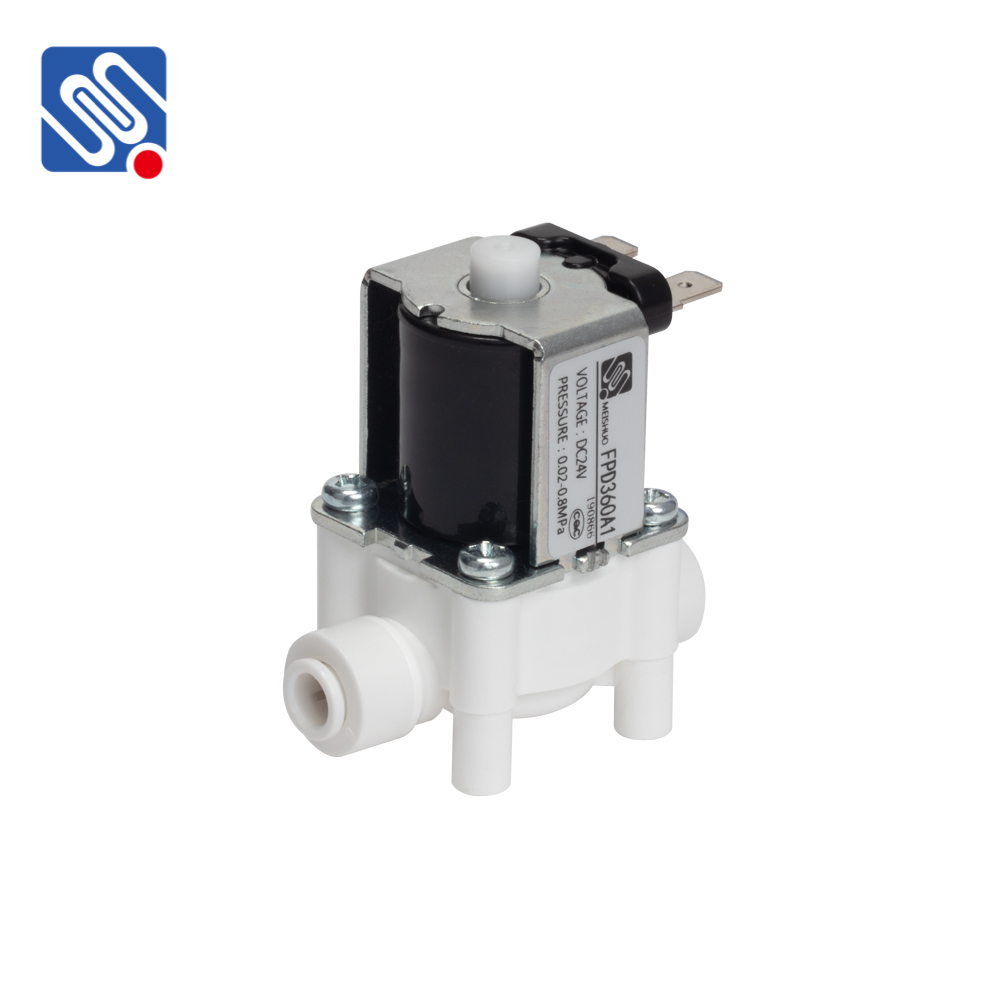
How Normally Open Solenoid Valves Work At the core of a Normally Open Solenoid Valve is a simple yet effective mechanism that controls the flow of fluid. The valve consists of a solenoid coil, a plunger, and a valve seat. The solenoid coil is energized or de-energized to control the opening or closing of the valve. When the solenoid is de-energized (i.e., there is no electrical power), the valve remains open. In this state, the plunger is held in a retracted position, allowing fluid to flow freely through the valve. However, when the solenoid is energized, an electromagnetic field is generated that pulls the plunger towards the valve seat, closing the valve and stopping the flow of fluid.