Relay testing plays a crucial role in ensuring the proper functioning of protection systems in electrical power networks. In electrical engineering, a relay is an automatic switch that responds to electrical conditions such as overcurrent, undercurrent, or other faults. Relay testing verifies that these protective relays behave as expected, ensuring that they will effectively disconnect faulty parts of a power system, minimizing damage, and enhancing the safety and stability of the network. This article delves into the importance of relay testing, the methods involved, and its role in maintaining the reliability of power systems.
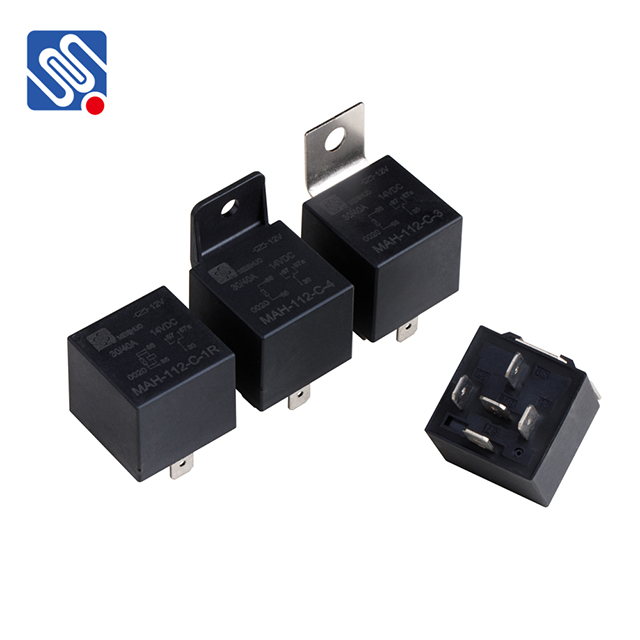
The Importance of Relay Testing Relays are integral to power system protection. When a fault occurs—such as a short circuit or equipment failure—the relay detects abnormal conditions and triggers appropriate actions, like opening a circuit breaker. This quick response is essential to prevent damage to equipment and ensure the safety of the system and personnel. However, a relay can malfunction due to issues like incorrect settings, wear and tear, or environmental factors. A faulty relay can either fail to act during a fault or activate unnecessarily, both of which can lead to catastrophic results, such as equipment damage, system downtime, or even safety hazards. Relay testing, therefore, ensures that the relays are working as intended and can respond accurately when needed.