When designing electrical systems, one of the most crucial decisions involves the selection of the right type of relay. A relay is an electrically operated switch that can control circuits by using a low-power signal to switch a higher power circuit. Its role in protecting electrical equipment, automating processes, and enhancing safety cannot be overstated. Whether you are dealing with industrial machinery, power systems, or home automation, choosing the correct relay type is essential. This article will explore the various types of relays, factors to consider when selecting a relay, and the applications for which each type is best suited.
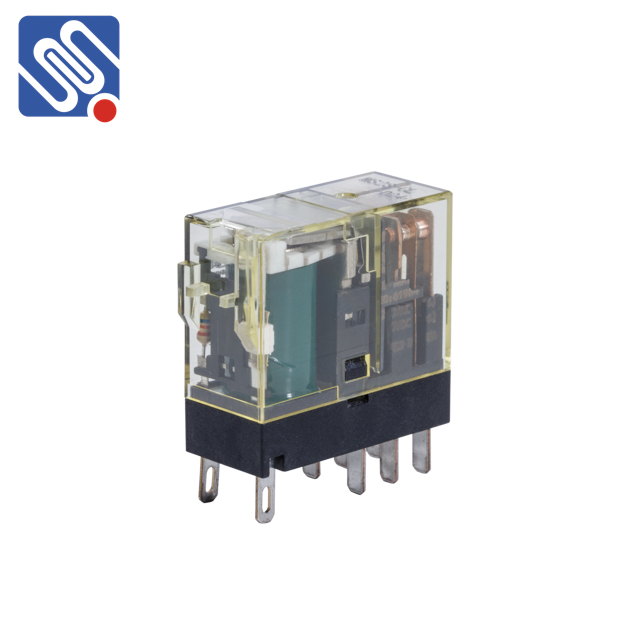
1. Understanding the Different Relay Types Relays come in a wide range of types, each designed for specific tasks. Some of the most common relay types include: Electromechanical Relay (EMR): This traditional type of relay uses electromagnetic coils to create a magnetic field, which then activates a set of contacts. They are widely used in applications that require switching high current, like in automotive and home appliances. Solid-State Relay (SSR): Unlike electromechanical relays, SSRs rely on semiconductor components, such as transistors or thyristors, to perform switching operations. They are known for their fast switching speed, long operational life, and absence of moving parts, making them ideal for high-frequency applications.