Solenoid valves are an essential component in many industrial applications, serving as the control mechanism for fluid or gas flow. These valves use an electric current to create a magnetic field that moves a plunger or armature, opening or closing the valve to regulate the flow. When it comes to solenoid valves, material choice is crucial as it determines the valve’s performance, durability, and suitability for specific applications. Two common materials used in solenoid valve construction are stainless steel and plastic, each offering distinct advantages. In this article, we’ll explore the features, benefits, and applications of both stainless steel and plastic solenoid valves.
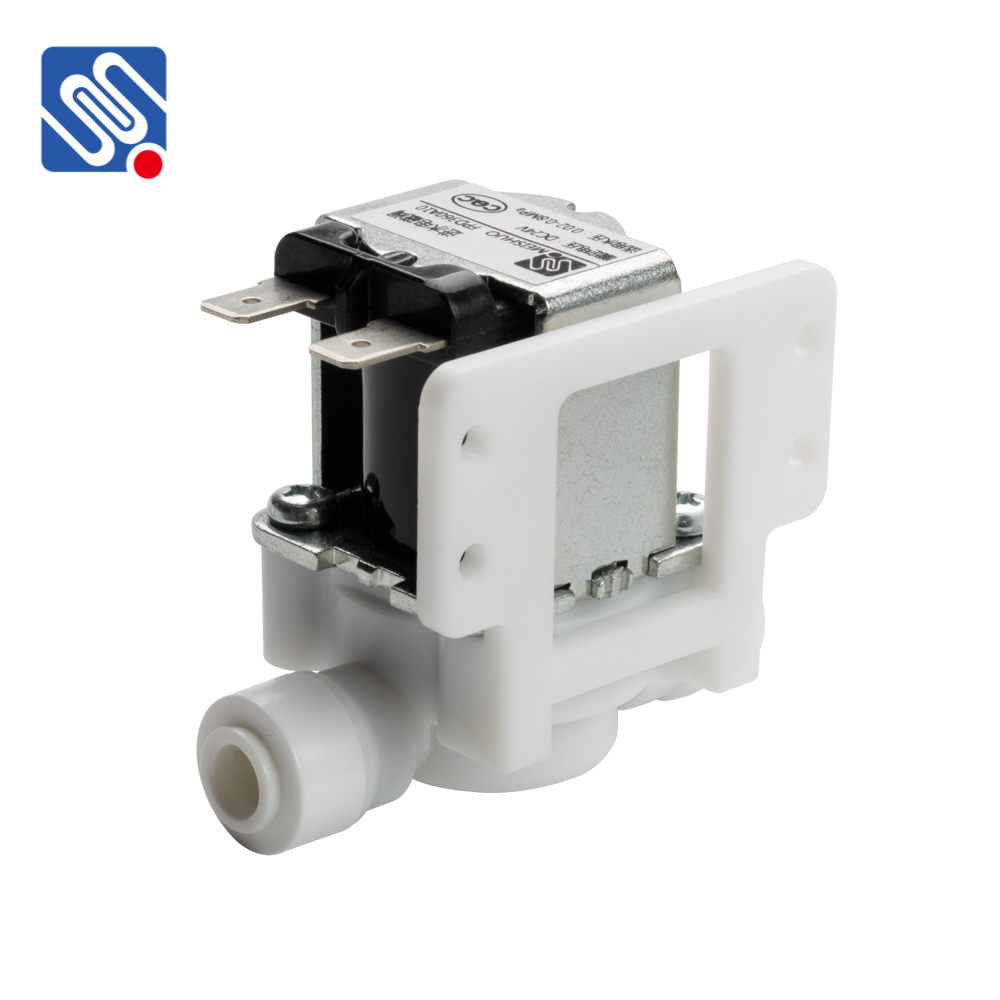
Stainless Steel Solenoid Valves: Strength and Durability Stainless steel solenoid valves are highly regarded for their durability and resistance to corrosion. They are made from materials such as 304 and 316 stainless steel, which are known for their high tensile strength and resistance to rust and staining. These properties make them ideal for use in harsh environments where exposure to chemicals, high temperatures, or high pressures is common. Advantages of Stainless Steel Solenoid Valves Corrosion Resistance: Stainless steel valves excel in industries where fluids or gases may be corrosive, such as in the chemical, pharmaceutical, and food processing industries. The material’s inherent resistance to corrosion ensures the valve will last longer, reducing maintenance costs.