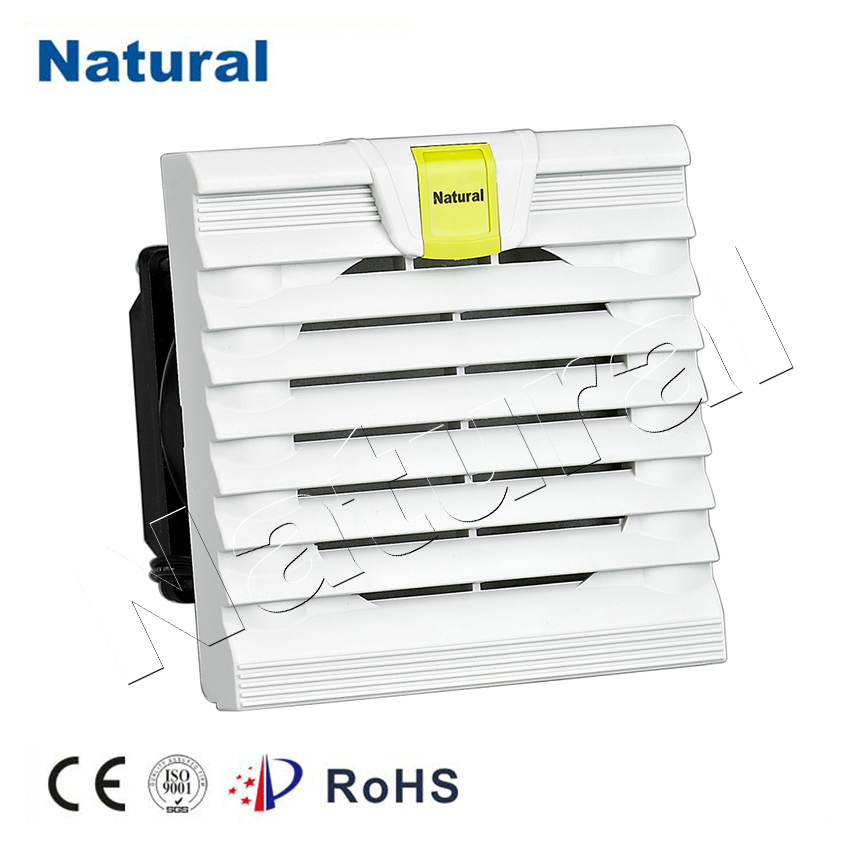
Air quality is an essential factor in various settings, especially in environments where safety, health, and productivity are at stake. Whether it’s in a hospital, laboratory, or industrial facility, maintaining the purity of the air is critical. One of the most effective ways to ensure clean air is through the use of an air filter cabinet. These specialized units are designed to filter and purify the air, removing contaminants such as dust, allergens, bacteria, and toxic gases. In this article, we will explore the importance, functions, and applications of air filter cabinets.
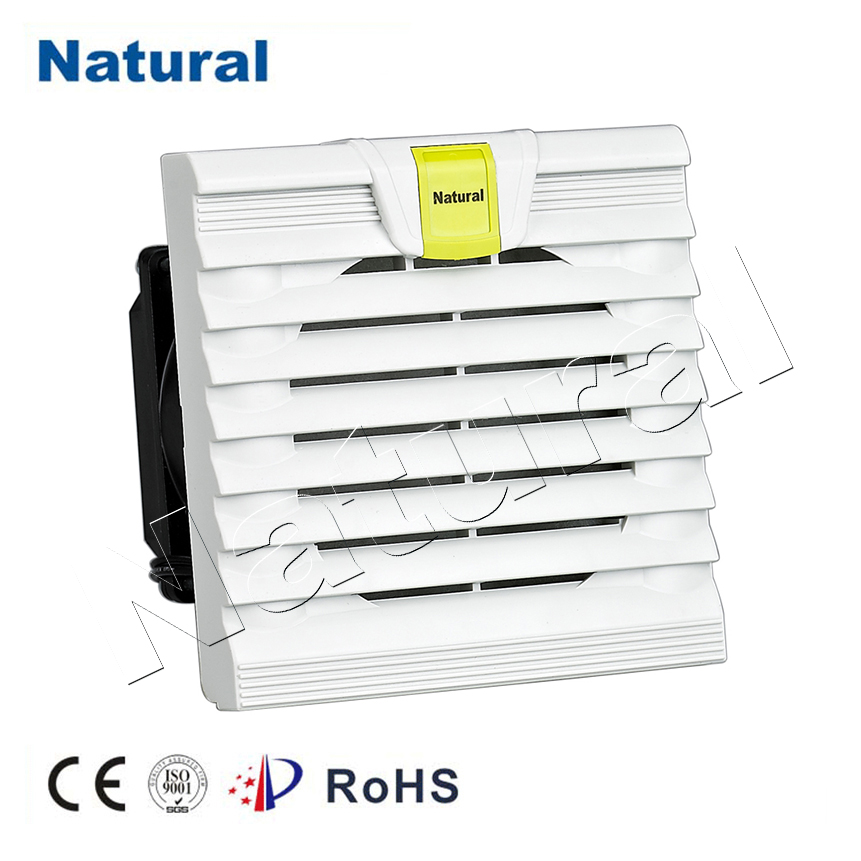
What Is an Air Filter Cabinet?
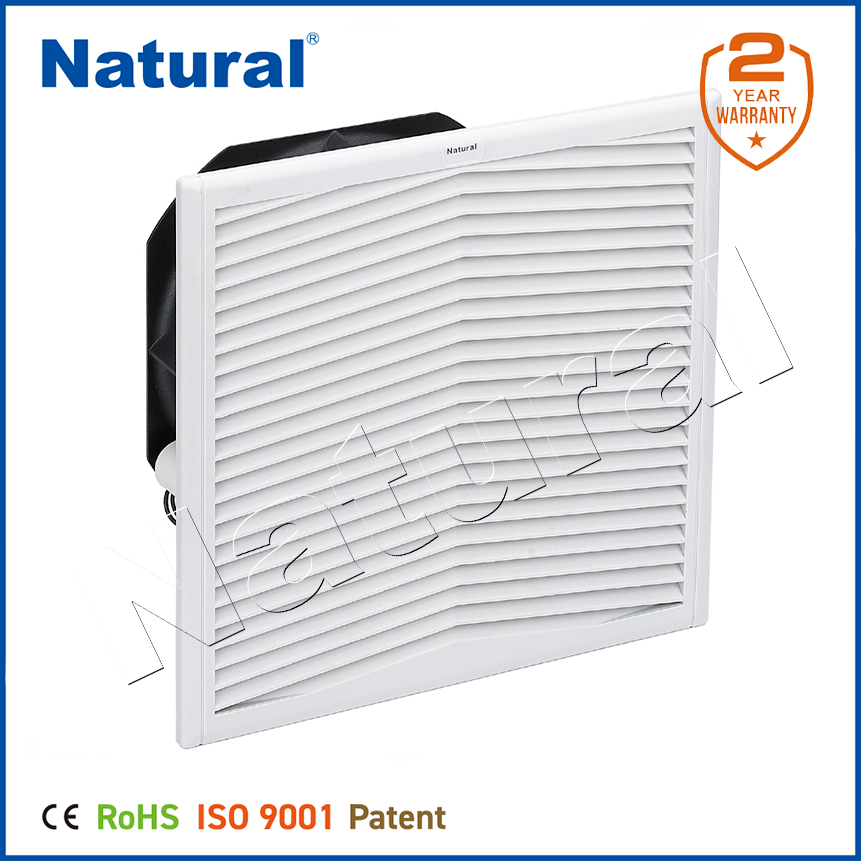
An air filter cabinet is a standalone unit that uses a multi-stage filtration process to cleanse the air. These cabinets are equipped with various types of filters, including HEPA (High-Efficiency Particulate Air) filters, activated carbon filters, and pre-filters. The main purpose of an air filter cabinet is to provide a controlled air environment by removing harmful particles and pollutants from the air. It works by drawing in contaminated air, filtering it through one or more stages, and then releasing purified air back into the environment. How Does an Air Filter Cabinet Work? The operation of an air filter cabinet is relatively straightforward. The unit typically consists of a fan, a set of filters, and a sealed cabinet. The fan draws in air from the surrounding environment, directing it toward the filters. The filters trap different types of pollutants based on their size, chemical composition, and properties.