The 12V relay is a versatile and crucial component in both automotive and electronic applications. This electromechanical device acts as a switch that allows a low-power signal to control a high-power circuit efficiently. By utilizing electromagnetic principles, a 12V relay offers both safety and convenience in managing electrical loads. In this article, we will delve into the functionality, various applications, and advantages of using 12V relays.
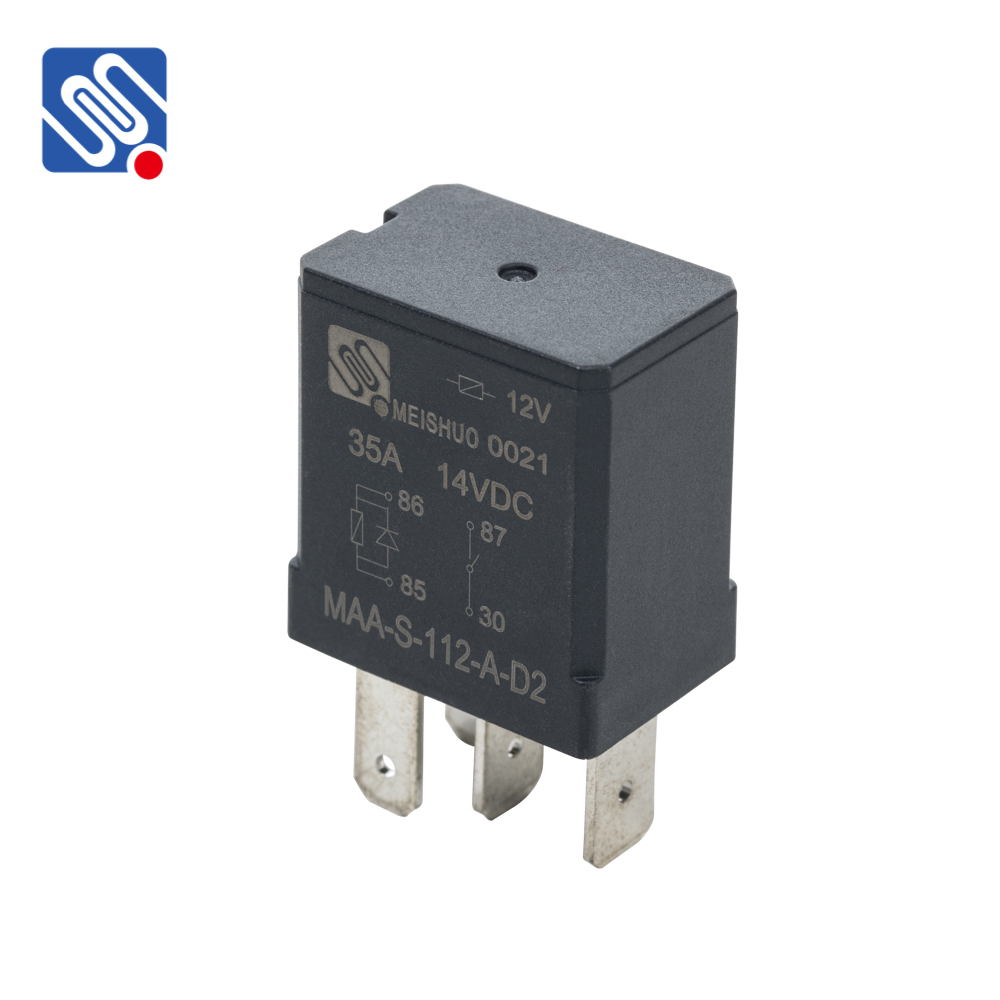
Functionality of a 12V Relay At its core, a relay comprises a coil, an armature (or movable contact), and one or more sets of contacts. The coil is wrapped around a core, and when a voltage is applied—typically 12 volts in this case—a magnetic field is generated. This magnetic field attracts the armature, which is mechanically linked to the contacts. Depending on the design: Normally Open (NO) Contacts: These contacts are open when the relay is not energized. When the relay is activated with a 12V signal, the NO contacts close, allowing current to flow through the load circuit. Normally Closed (NC) Contacts: These contacts are closed when the relay is unpowered. When the relay is energized, the contacts open, interrupting current flow.