Automotive relays play a crucial role in modern vehicle electrical systems, acting as intermediaries to control high-current loads with low-power control signals. The relay coil, a core component of the relay, is responsible for activating the switch that opens or closes the electrical circuit. Understanding the specifications of the automotive relay coil is essential for selecting the right relay for automotive applications. This article will provide an overview of the key specifications and features of automotive relay coils, including voltage, current, resistance, power, and other important parameters.
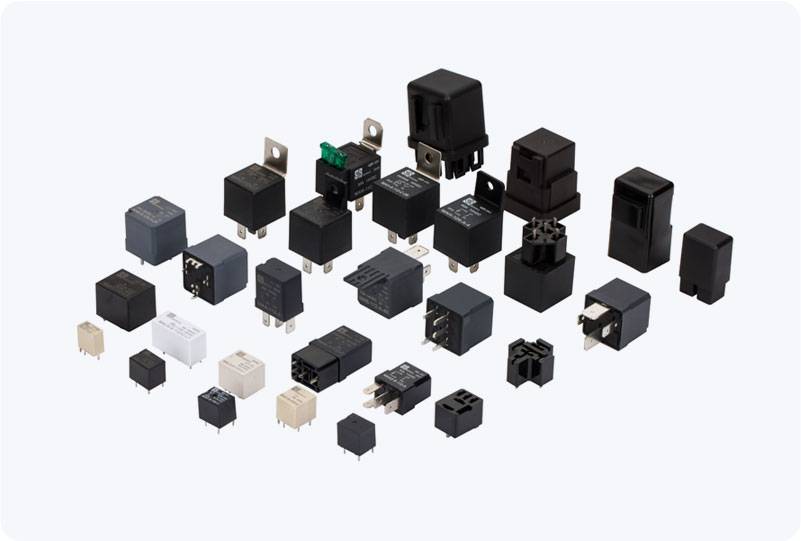
1. Voltage Ratings: The most critical specification for automotive relay coils is the operating voltage. Automotive electrical systems typically operate at either 12V DC or 24V DC, depending on the vehicle. The 12V system is the most common in passenger vehicles, while commercial and larger vehicles may use 24V systems. The voltage rating of a relay coil must match the electrical system of the vehicle to ensure proper operation. A 12V relay is designed to work with a 12V DC supply, while a 24V relay is suited for vehicles with a 24V DC system. Using the wrong voltage relay can cause malfunction, overheating, or failure of the relay.