In modern power systems, especially those involving large-scale electronic devices and high-voltage equipment, managing the initial power-up sequence is crucial for the longevity and safety of the system. A critical component in this context is the Capacitor Precharge Circuit Relay. This relay-based circuit is designed to protect sensitive electrical components from the damaging effects of inrush currents during system startup. In this article, we will explore the significance, working principles, and benefits of capacitor precharge circuits, particularly in high-power applications.
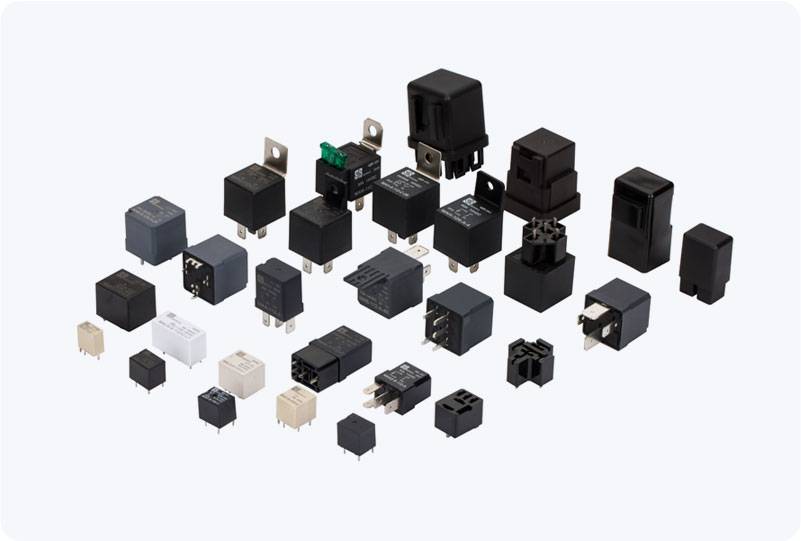
What is a Capacitor Precharge Circuit Relay? A Capacitor Precharge Circuit Relay is an electrical circuit designed to charge the capacitors in a power system slowly before the system is fully powered. It serves a crucial role in controlling inrush currents, which are the sudden surges of electrical current that can occur when capacitors are initially energized. These surges can lead to significant damage to components like capacitors, relays, and circuit boards if not properly controlled. The precharge circuit ensures that the capacitors charge gradually, limiting the initial current and allowing for a smoother, safer power-up process.