The Cold Water Solenoid Valve is a crucial component used in various systems to control the flow of cold water, offering convenience, precision, and efficiency in automatic operations. Whether in household appliances, industrial processes, or water treatment systems, these valves provide essential functionality for managing water flow through electromagnetic control. This article delves into the working principle, types, applications, and advantages of Cold Water Solenoid Valves, shedding light on their vital role in modern automation.
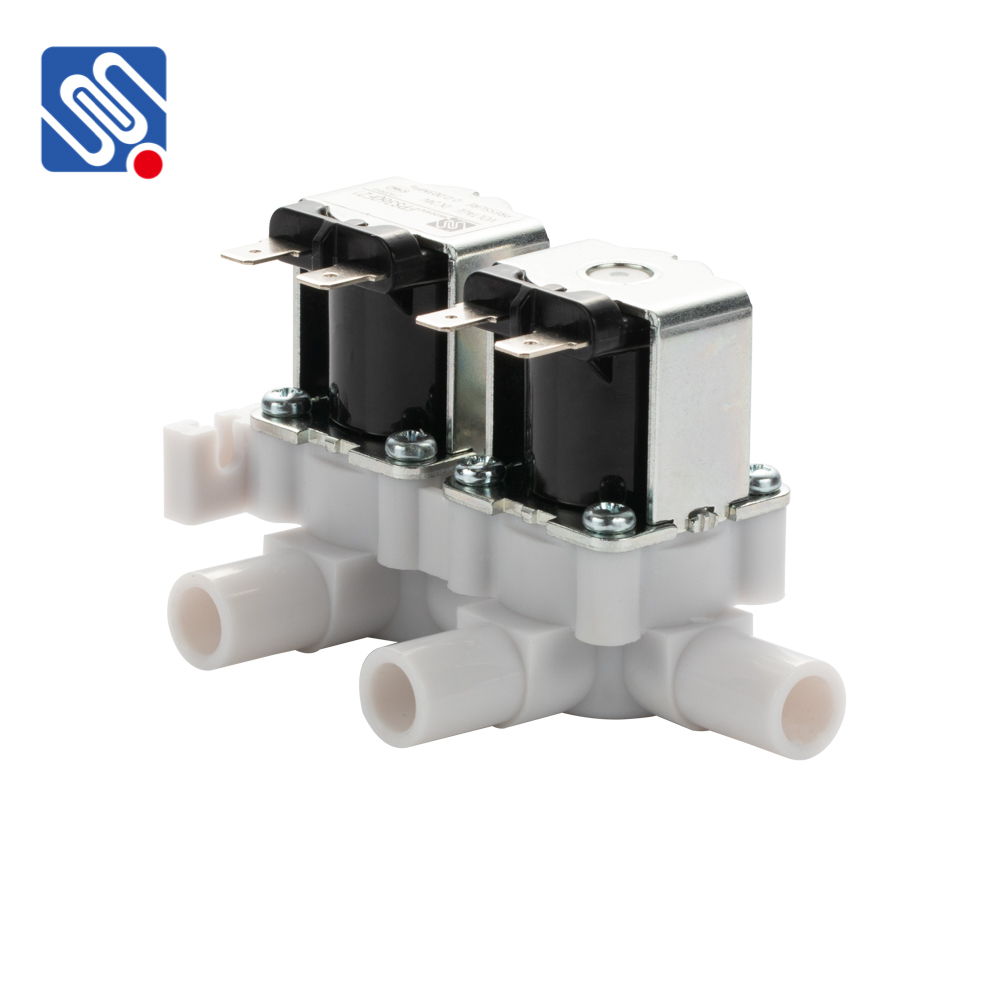
What is a Cold Water Solenoid Valve? A Cold Water Solenoid Valve is an electromechanical device used to control the flow of cold water in a system. The valve operates based on electromagnetic principles, with a coil that, when energized, generates a magnetic field, activating a plunger or diaphragm to either open or close the valve. This simple yet efficient mechanism enables quick and precise control over water flow, making it essential in various automated systems. Working Principle The working principle of a Cold Water Solenoid Valve revolves around the interaction between electrical energy and mechanical movement. At its core, the valve consists of a solenoid (electromagnetic coil) and a movable plunger or diaphragm. Here’s how it works: