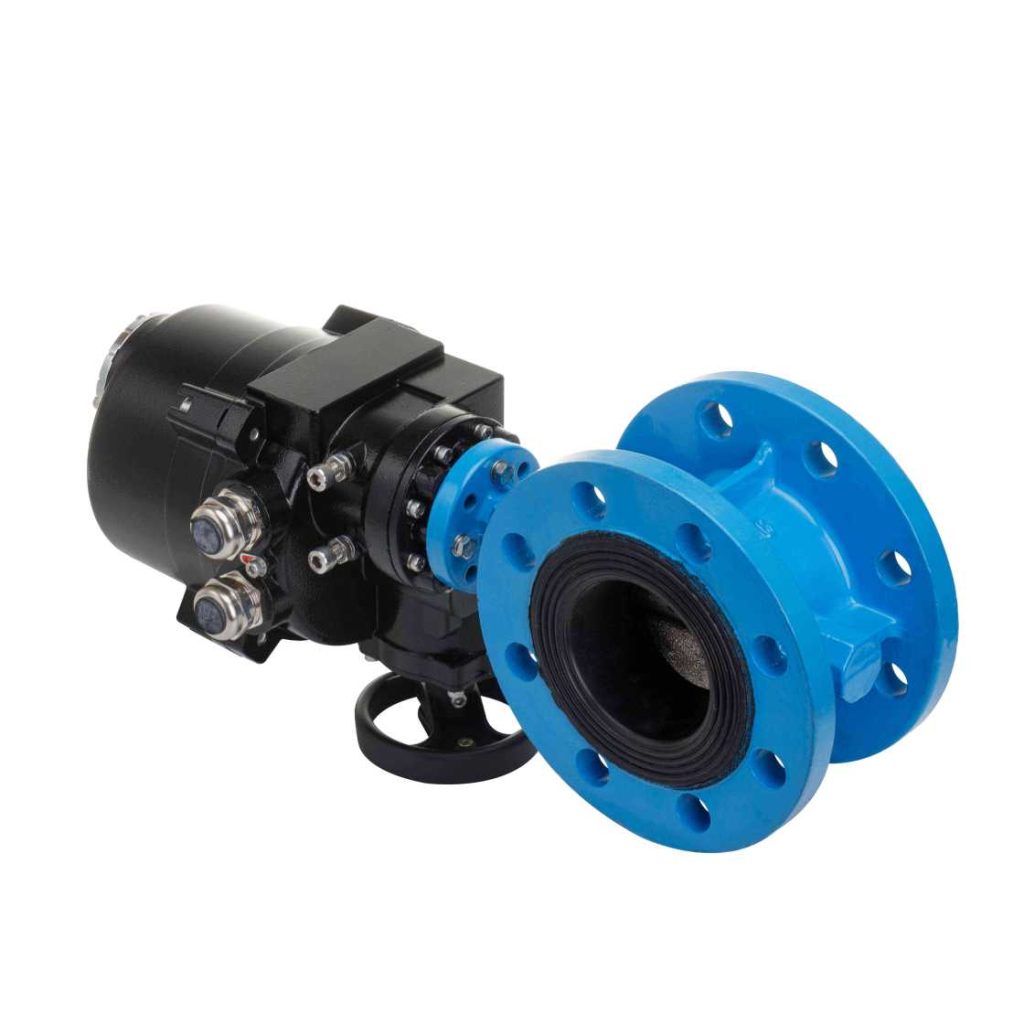
The Electric Flanged Butterfly Valve is a key component in modern fluid control systems, offering reliable performance for regulating fluid flow, pressure, and temperature in various industrial applications. This valve combines the simplicity and efficiency of a butterfly valve with the automation and precision of an electric actuator, making it a versatile solution in both open and closed-loop systems. In this article, we will explore the working principle, key features, benefits, and applications of electric flanged butterfly valves to understand their significance in modern engineering.
Working Principle
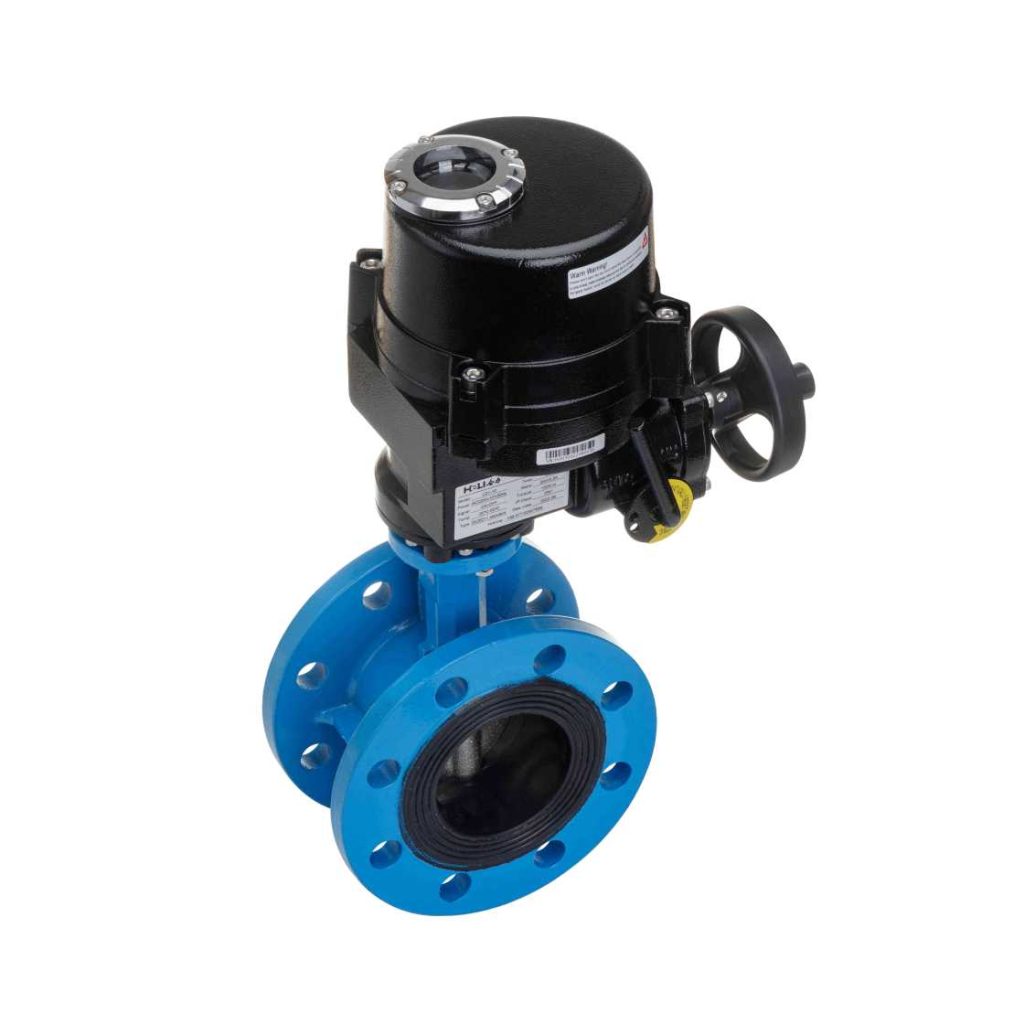
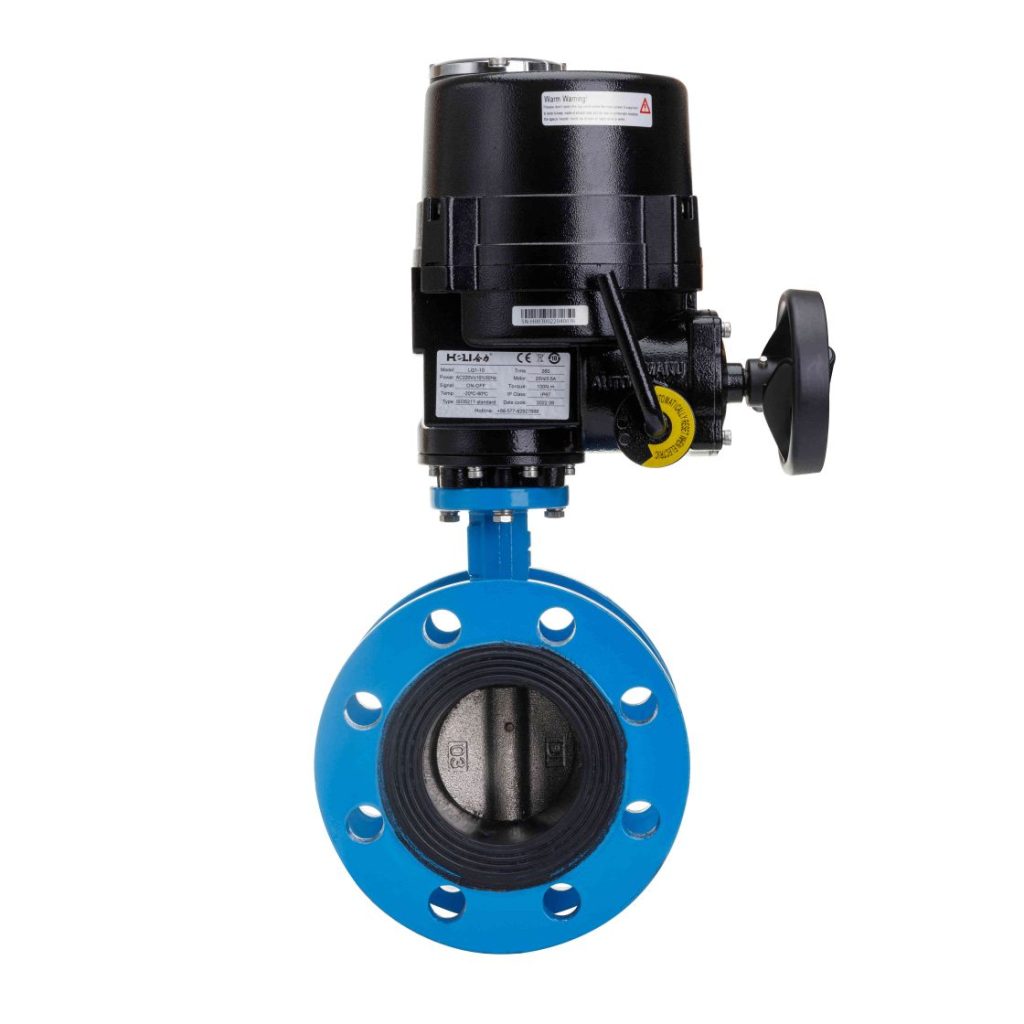
The electric flanged butterfly valve operates on the basic principle of a butterfly valve, which uses a circular disk (the valve plate) to control fluid flow through a pipe. The disk is mounted on a rotating shaft and can be turned by an actuator to vary the opening of the pipe. When the valve is fully opened, the disk is parallel to the flow, allowing maximum flow. As the valve closes, the disk rotates and reduces the opening, thus restricting or stopping the flow of fluid. In the case of the electric flanged butterfly valve, the rotation of the valve’s disk is controlled by an electric actuator. The actuator, which is powered by electricity, allows for automated opening and closing, as well as precise flow control, making it a popular choice in automated control systems. The electric actuator can be programmed to open or close the valve to a specified degree, which is especially useful for flow regulation or controlling pressure within a system.