A 30A Power Relay is an essential component in many electrical systems that require the control of high-current electrical circuits. A relay is an electromechanical switch that allows a low-power control signal to switch higher power circuits, thus offering flexibility and safety in numerous industrial, automotive, and domestic applications. With its ability to handle currents of up to 30 amperes, the 30A power relay is particularly suited for high-power load control. In this article, we will explore the specifications, applications, advantages, and important considerations when working with 30A Power Relays.
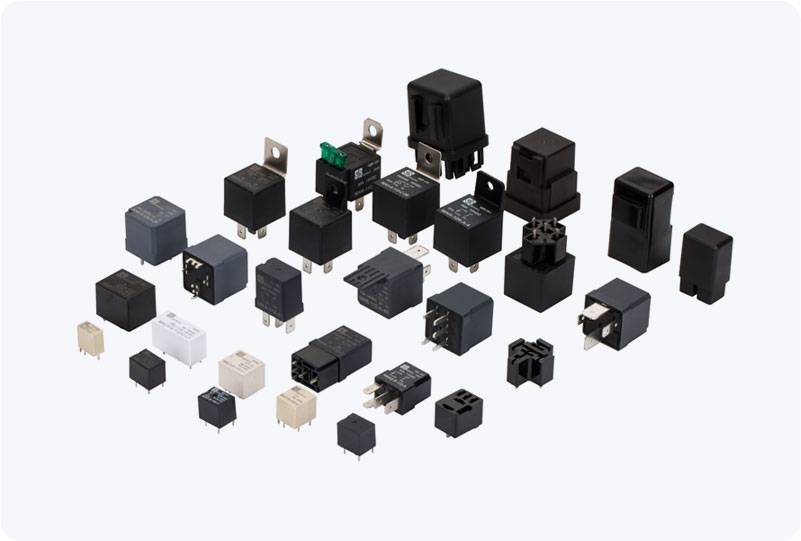
What is a 30A Power Relay? A 30A Power Relay is designed to switch electrical circuits that carry a significant load, specifically up to 30 amperes of current. Relays are typically used to control large devices or equipment with smaller, low-voltage circuits, which provides a way to turn high-powered systems on or off without directly handling high currents. They are generally housed in compact enclosures and can be actuated remotely, offering high reliability and speed. The typical construction of a 30A Power Relay includes a coil, contacts, and a mechanical switch mechanism. The coil, when energized, creates a magnetic field that moves the contacts to either open or close the circuit, depending on the configuration. The contacts may be rated to handle significant voltage (often up to 250V or 480V) and are designed to resist electrical arcing, ensuring longevity and efficient operation.