A PP solenoid valve is a vital component in various industrial and automation systems, known for its durability and resistance to harsh chemicals. The solenoid valve utilizes the electromagnetic principle to control the flow of fluids or gases through a pipeline or system. What sets the PP solenoid valve apart is its polypropylene (PP) body, which makes it highly resistant to corrosive substances, including acids and alkalis. In this article, we will explore the features, advantages, and applications of PP solenoid valves, shedding light on why they are becoming an essential choice in many industries.
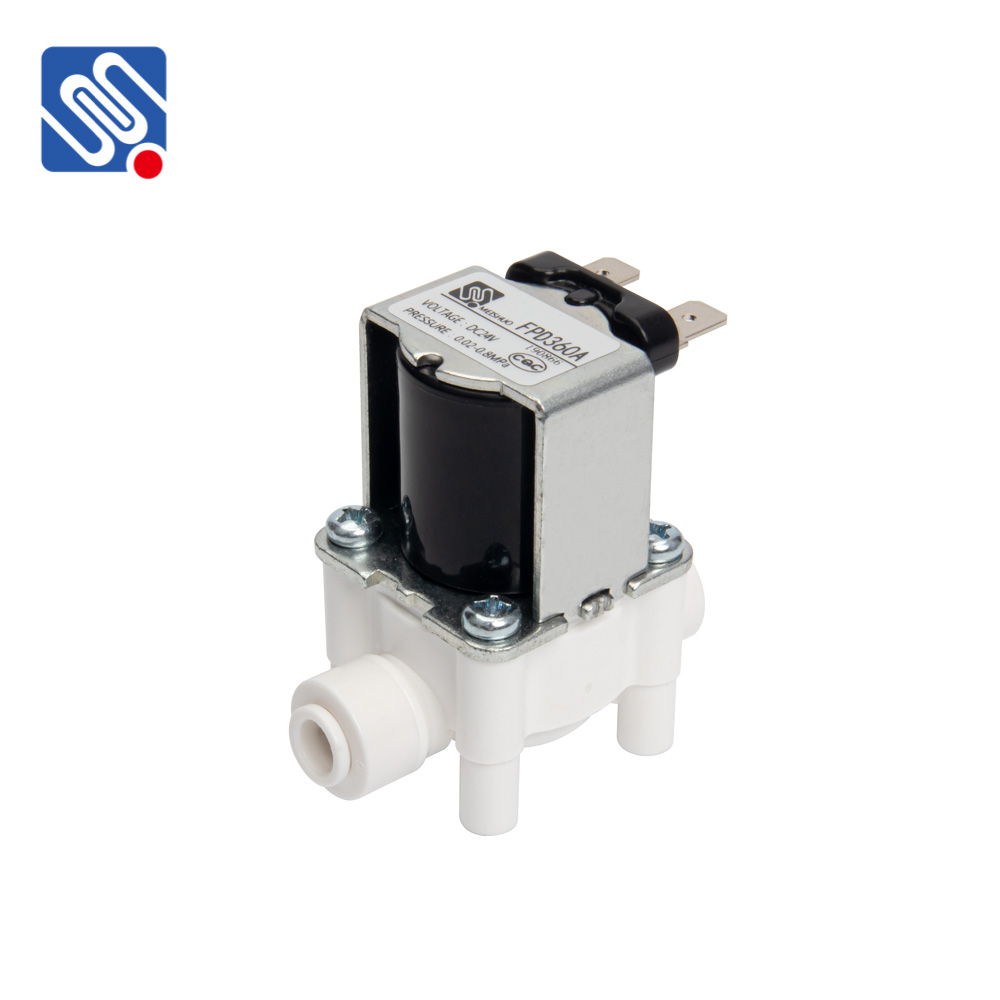
What is a PP Solenoid Valve? A PP solenoid valve is an electrically operated valve made from polypropylene, a thermoplastic polymer known for its chemical resistance and lightweight properties. These valves operate through a simple mechanism: when the solenoid coil is energized, it generates a magnetic field that pulls or pushes the valve’s plunger, opening or closing the valve. This allows the valve to control the flow of fluid or gas in response to an electrical signal. The use of polypropylene in the valve body makes it particularly well-suited for handling aggressive chemicals, such as strong acids or bases, that would typically corrode metal valve bodies. The valve’s resistance to these substances ensures long-lasting performance in industrial settings where chemical exposure is a concern.