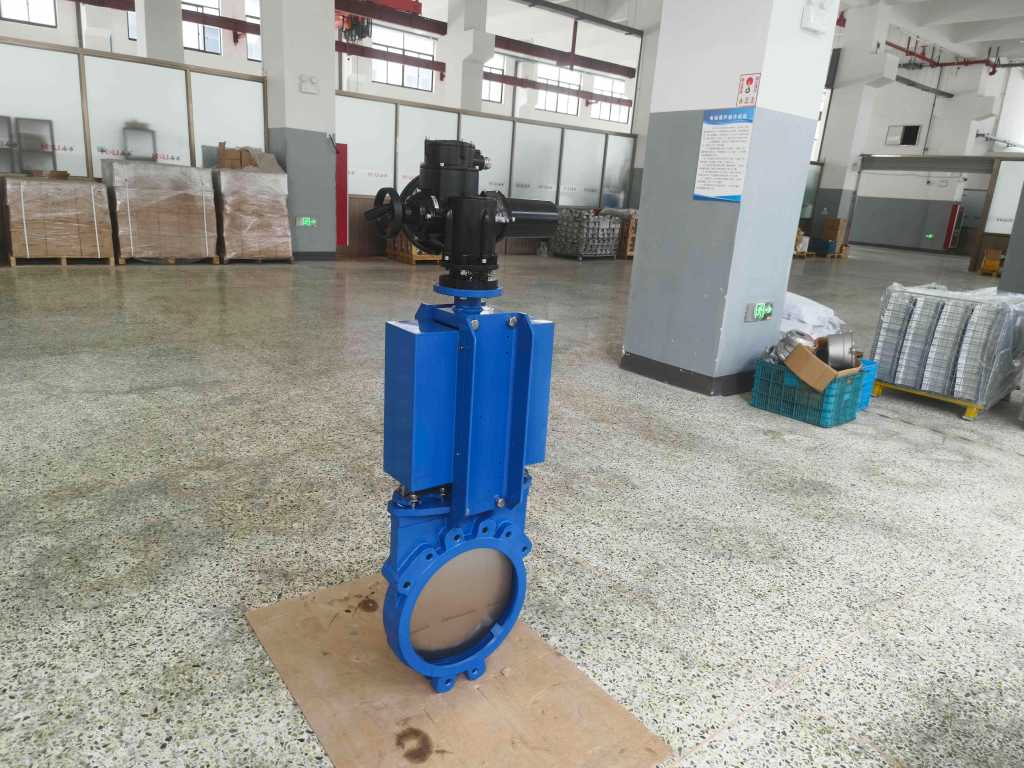
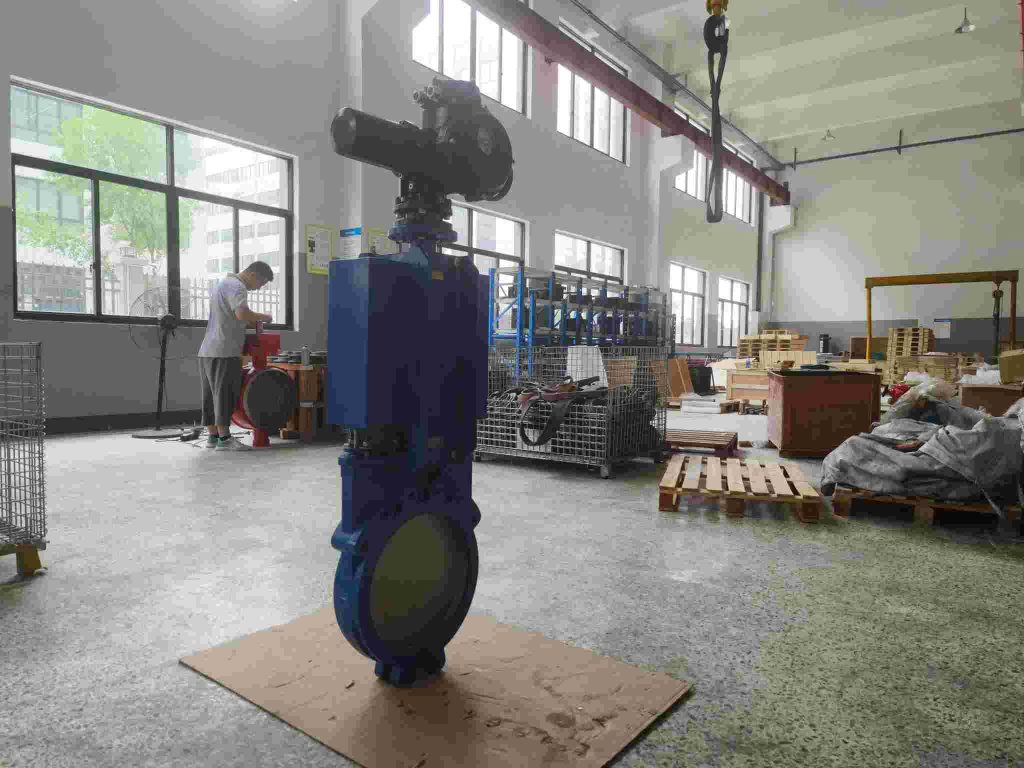
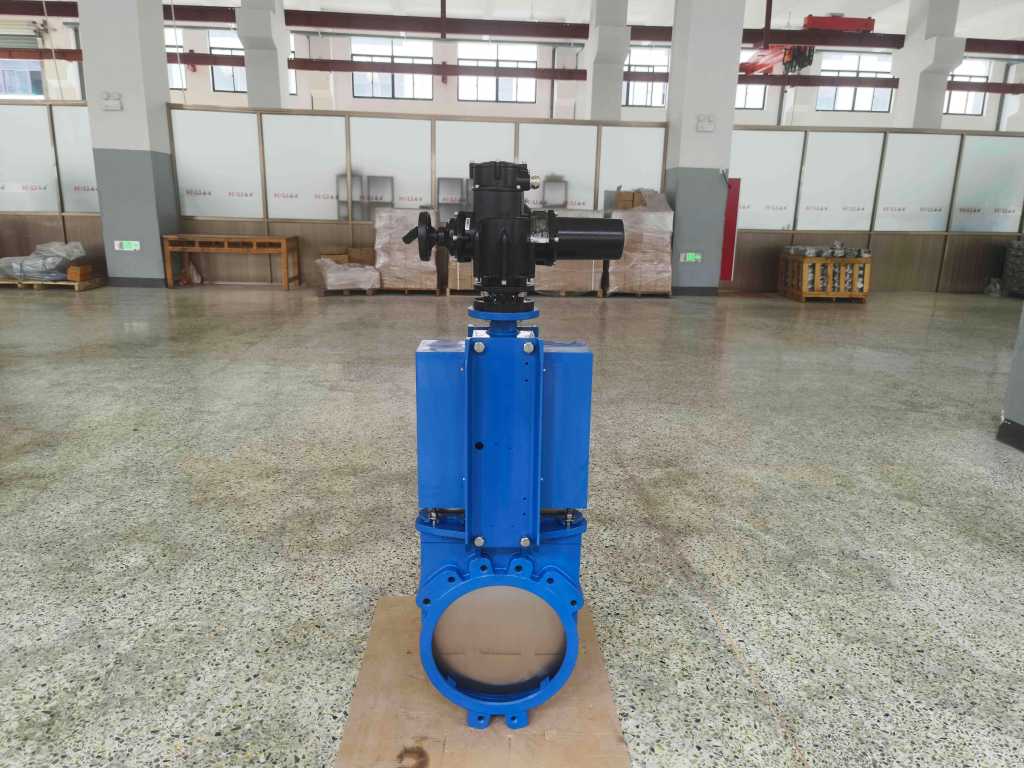
The Stainless Steel Electric Flat Gate Valve is a vital component in modern industrial processes, providing reliable control and regulation of fluid flow in a variety of settings. By combining the durability of stainless steel with the convenience and precision of electric actuation, these valves are used extensively across several industries, from chemical and oil refining to water treatment and food processing. This article aims to explore the features, applications, advantages, and considerations of the stainless steel electric flat gate valve, offering a comprehensive understanding of its importance in fluid control systems.
1. Material Benefits: Stainless Steel
The primary advantage of using stainless steel in the construction of the electric flat gate valve is its exceptional resistance to corrosion and wear. Stainless steel, particularly grades such as 304 and 316, offers superior protection against harsh environmental conditions, high temperatures, and aggressive chemicals. This makes it an ideal material for valves used in industries where corrosion resistance is a critical factor, such as the chemical, petrochemical, and pharmaceutical industries. In addition to its corrosion resistance, stainless steel is also known for its mechanical strength, which ensures the valve’s structural integrity and durability even under high-pressure conditions. This is particularly important in systems that deal with pressurized gases or liquids, where valve failure could result in significant damage or safety hazards.