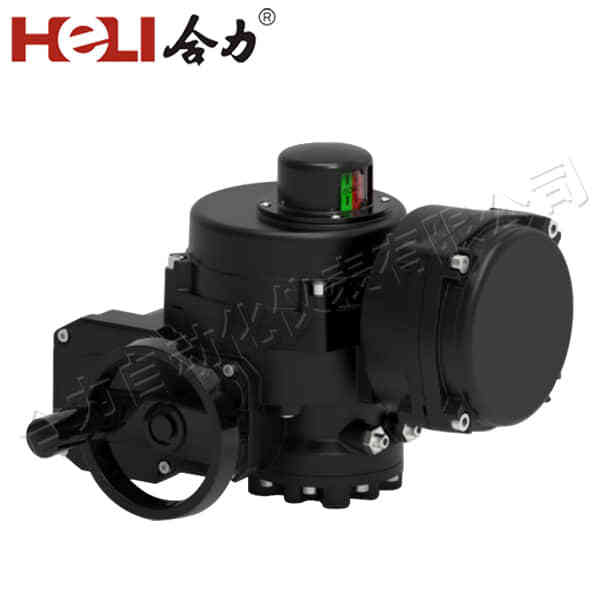
Electric actuators are integral components in modern automation systems, playing a crucial role in industries ranging from manufacturing to energy, automotive, and even home automation. These devices convert electrical energy into mechanical motion, making them essential for tasks that require precise control and automation. Whether it’s regulating the flow of liquids through valves or adjusting the position of machinery parts, electric actuators provide the necessary motion with high efficiency and accuracy.
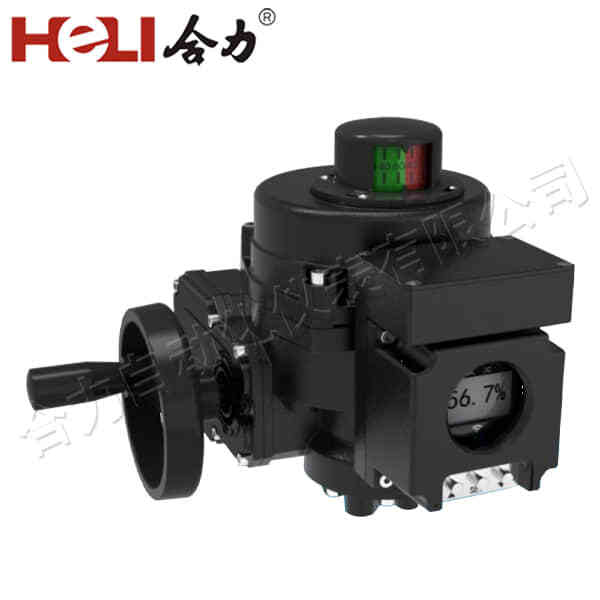
What is an Electric Actuator?
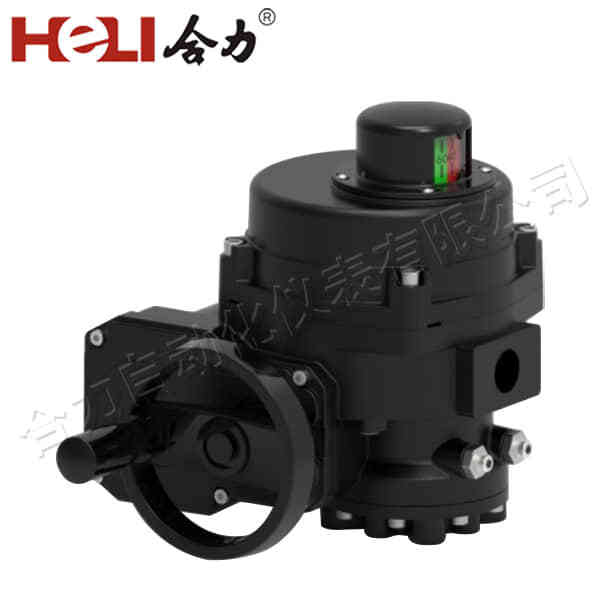
An electric actuator is a mechanical device that uses an electric motor to create motion. This motion can either be linear or rotational, depending on the type of actuator. The most common types are linear actuators, which produce a straight-line motion, and rotary actuators, which generate rotational motion. Electric actuators work by receiving electrical input and converting it into physical movement, controlled by a variety of systems such as sensors, PLCs (Programmable Logic Controllers), or simple switches. The components of an electric actuator include an electric motor, a transmission mechanism (gears or belts), and the actuating element that directly interacts with the mechanism it is controlling. In a simple valve control system, for instance, the actuator opens or closes the valve depending on the electrical signal it receives. This action can be finely tuned to achieve a specific position, making electric actuators indispensable for tasks requiring high precision.