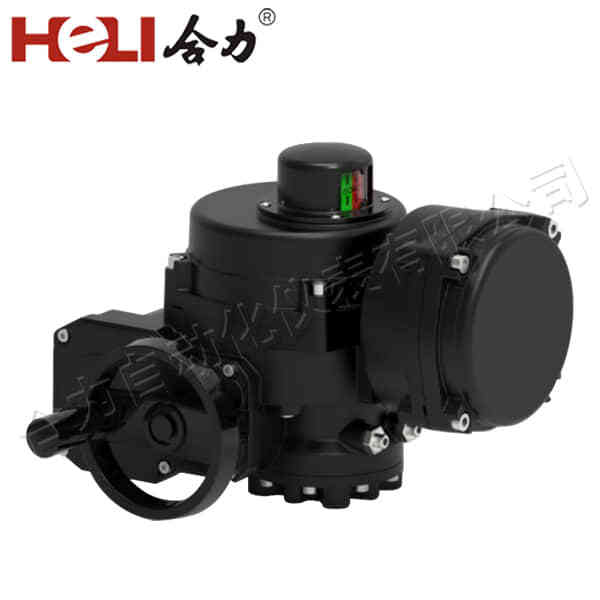
Electric actuators for valves are critical components in modern industrial automation, offering a precise and reliable solution for controlling the opening and closing of valves in various processes. From oil and gas to water treatment and HVAC systems, electric actuators play a vital role in ensuring that fluid flow, pressure, and temperature are regulated effectively. This article explores the functionality, types, applications, and advantages of electric actuators in valve control systems.
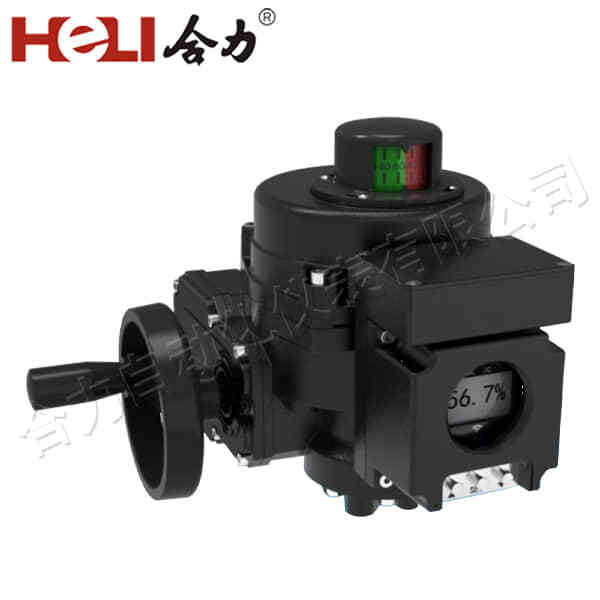
What is an Electric Actuator for Valves?
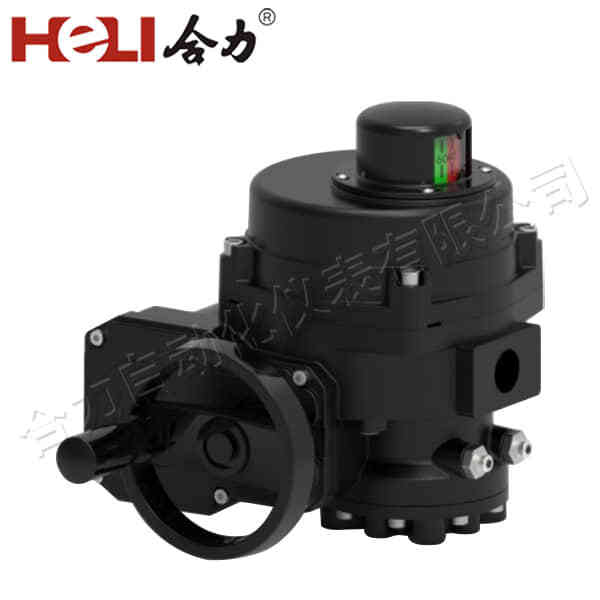
An electric actuator is a mechanical device that converts electrical energy into mechanical motion to operate a valve. This actuator is powered by an electric motor and is designed to adjust the position of a valve, typically through rotation or linear motion, depending on the type of valve. Electric actuators are used to automate the process of regulating the flow of fluids, making them an integral part of industrial automation systems where precision and remote control are essential. Electric actuators for valves typically include the following key components: Electric Motor: Provides the driving force for the actuator, converting electrical energy into mechanical motion.