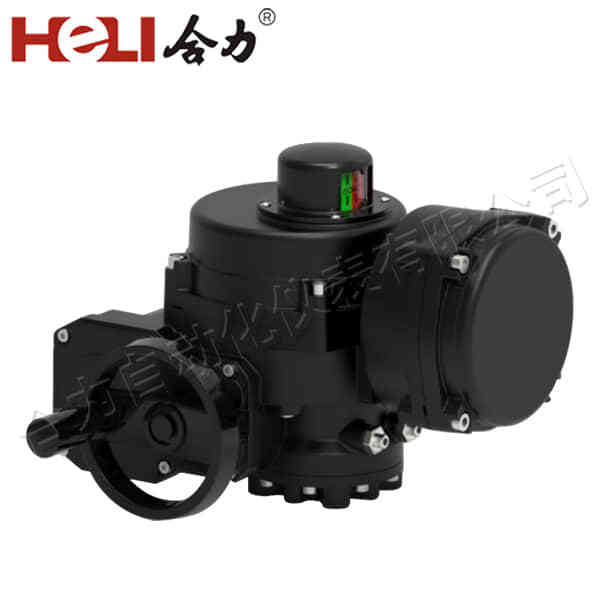
Electric actuators for valves are integral components in modern industrial automation systems. These devices have drastically improved the efficiency, safety, and precision of various processes by automating the control of valves, which are used to regulate the flow of liquids, gases, or slurries in pipelines. The transition from manual to automated valve control systems has provided significant advantages across a variety of industries, including chemical processing, water treatment, oil and gas, power generation, and many others.
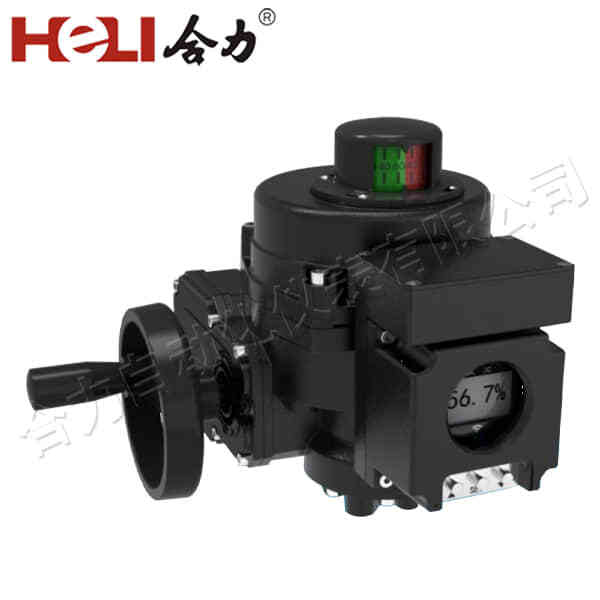
What is an Electric Actuator for Valves?
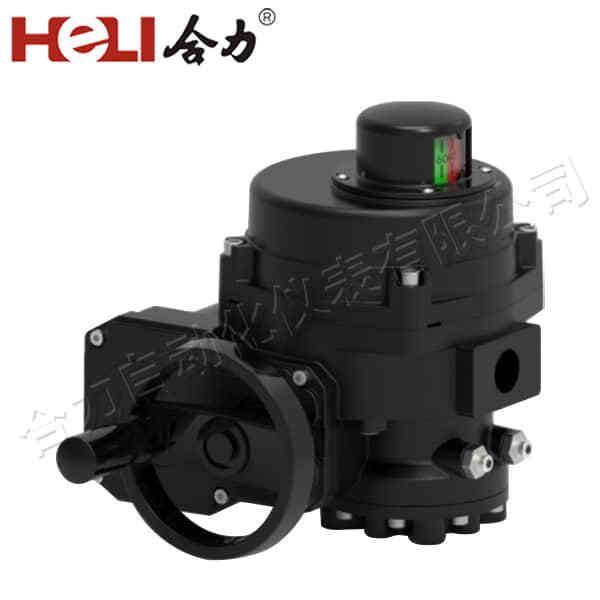
An electric actuator for valves is an electromechanical device that utilizes electric power to drive the movement of a valve, either opening or closing it or adjusting its position. Unlike pneumatic or hydraulic actuators, which rely on compressed air or pressurized liquids to provide motion, electric actuators use electric motors to generate mechanical force. This force is then transmitted through gears and linkages to the valve stem, which performs the required movement. Electric actuators come in two primary types: on/off actuators, which are used to fully open or close a valve, and modulating actuators, which allow for precise control over the valve position, thus enabling the regulation of flow rates. The latter is particularly useful in applications that require fine adjustments and accurate control, such as in HVAC systems, water treatment plants, and chemical manufacturing.