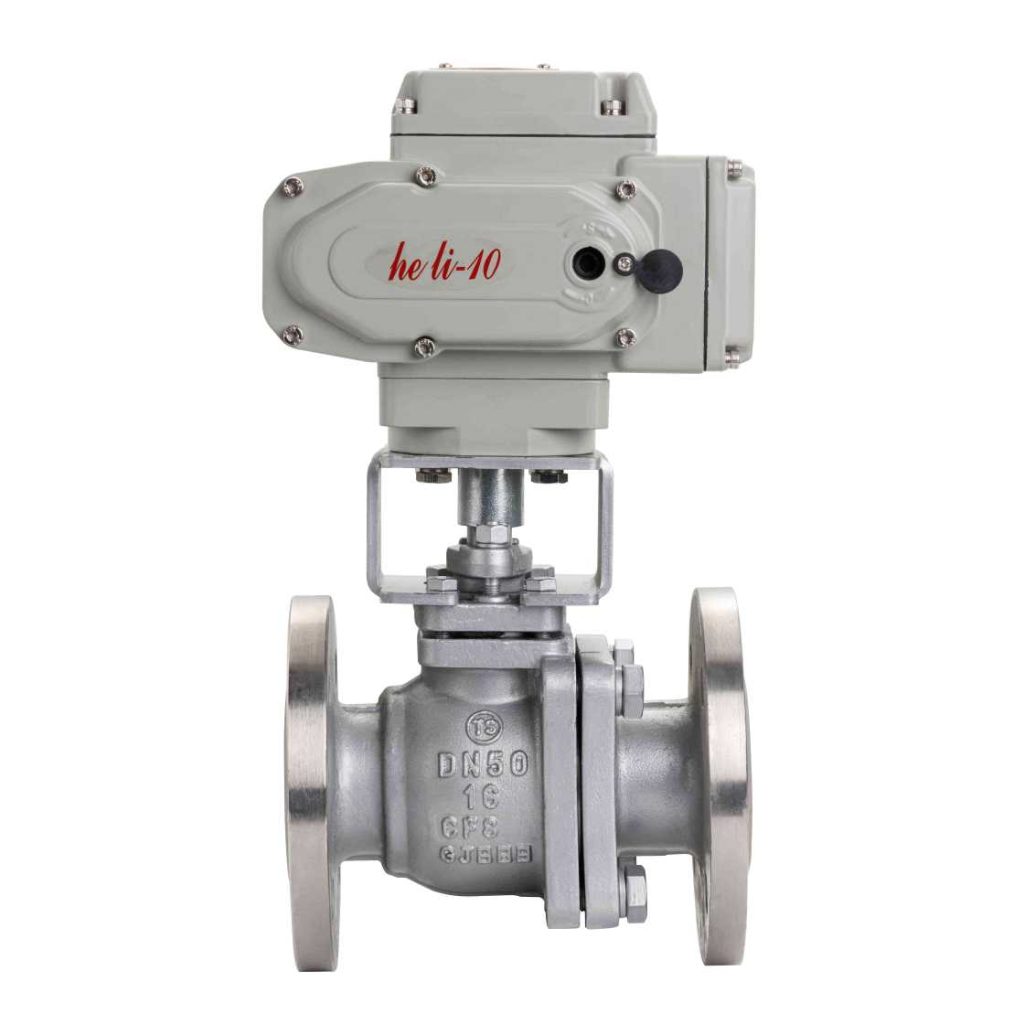
The Electric Anti-Corrosion Ball Valve is an essential innovation in the field of industrial fluid control, offering a robust solution for systems requiring reliable and efficient operation under corrosive conditions. Designed to withstand the aggressive effects of various chemicals and extreme environmental conditions, these valves are increasingly popular in industries such as chemicals, pharmaceuticals, food processing, and water treatment. This article explores the components, working principle, applications, and advantages of the electric anti-corrosion ball valve.
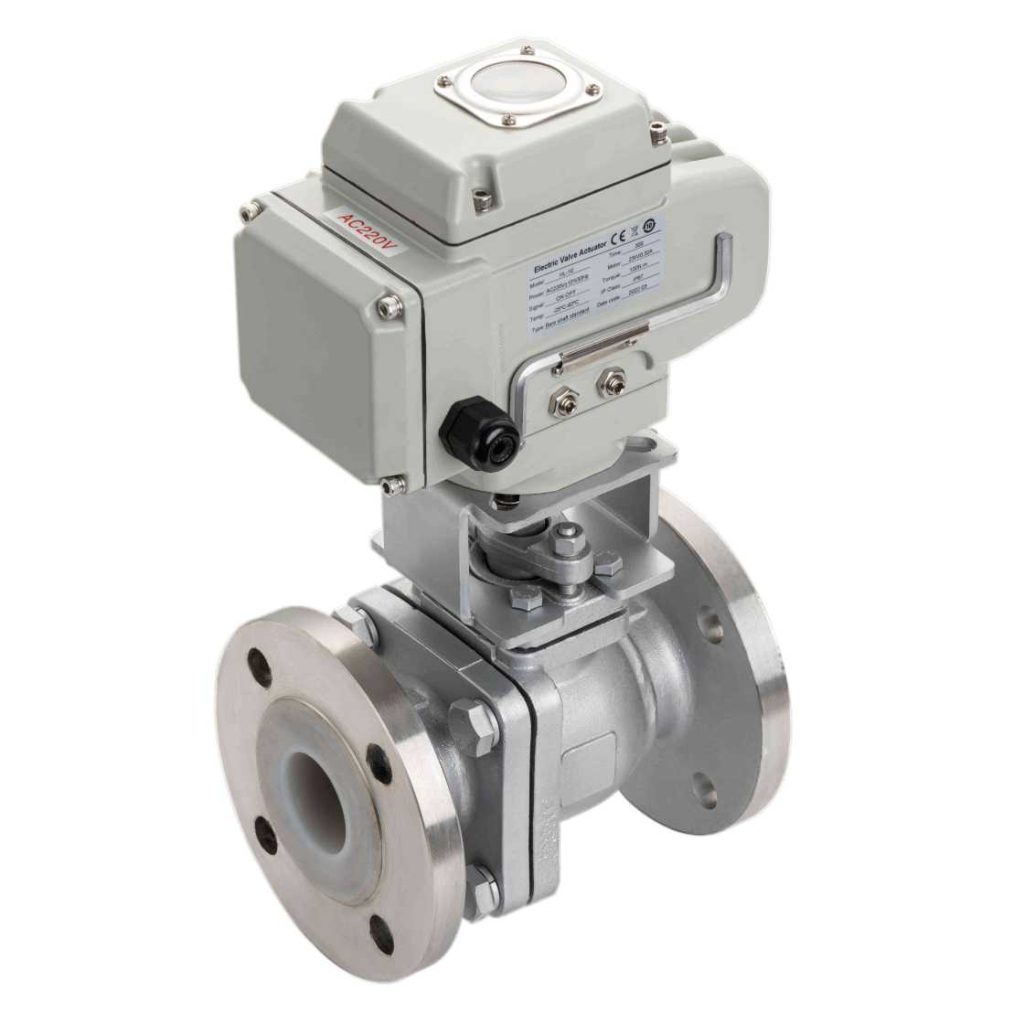
1. Understanding the Structure and Working Principle
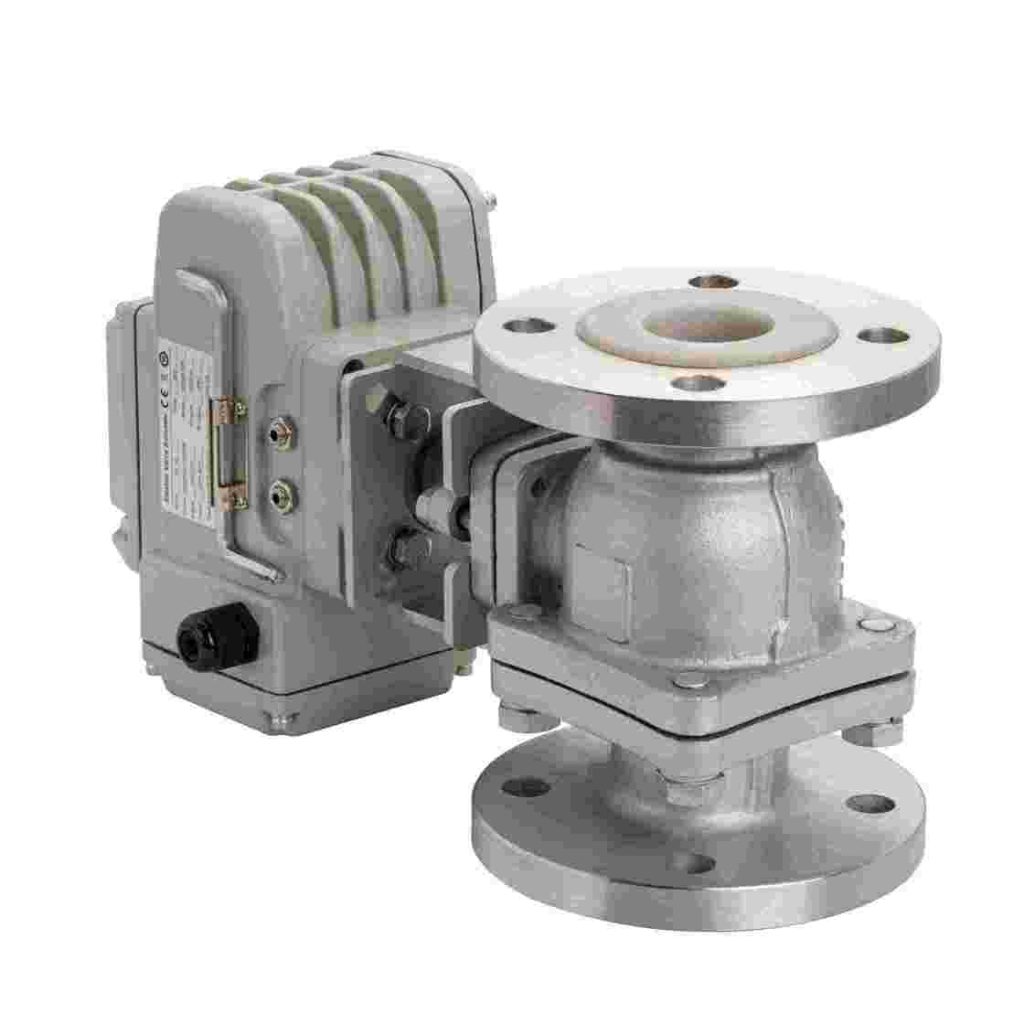
The electric anti-corrosion ball valve combines the functionality of a traditional ball valve with an electric actuator, offering precise and automated control of fluid flow. At its core, the valve consists of a spherical ball with a hole or bore in the center. This ball rotates to either allow or block the flow of fluid through the valve. The ball’s motion is powered by an electric actuator, which can be controlled remotely to perform automated operations such as opening, closing, or adjusting the flow rate. The materials used in these valves are carefully selected for their corrosion resistance. Common materials include stainless steel (316, 304) and plastic composites such as PTFE (polytetrafluoroethylene) and PVC (polyvinyl chloride). These materials provide superior protection against aggressive fluids like acids, alkalis, and saline solutions, ensuring longevity and reliable performance in harsh environments.