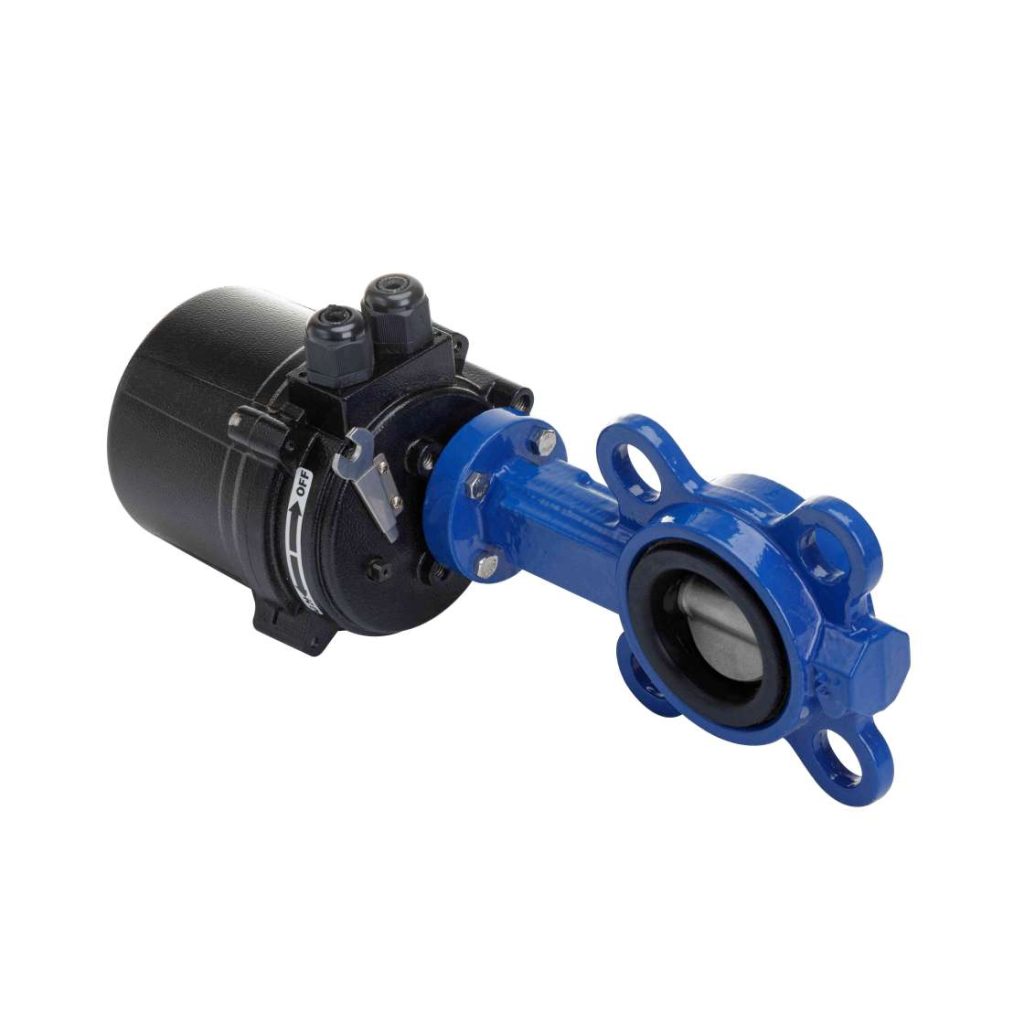
The electric butterfly valve is a crucial component in many industries, offering reliable and efficient control over fluid and gas flow. Whether used in water treatment plants, HVAC systems, or chemical processes, electric butterfly valves are designed to provide precise flow regulation with minimal space requirements and ease of operation. This article explores the electric butterfly valve’s working principle, advantages, applications, and key considerations.
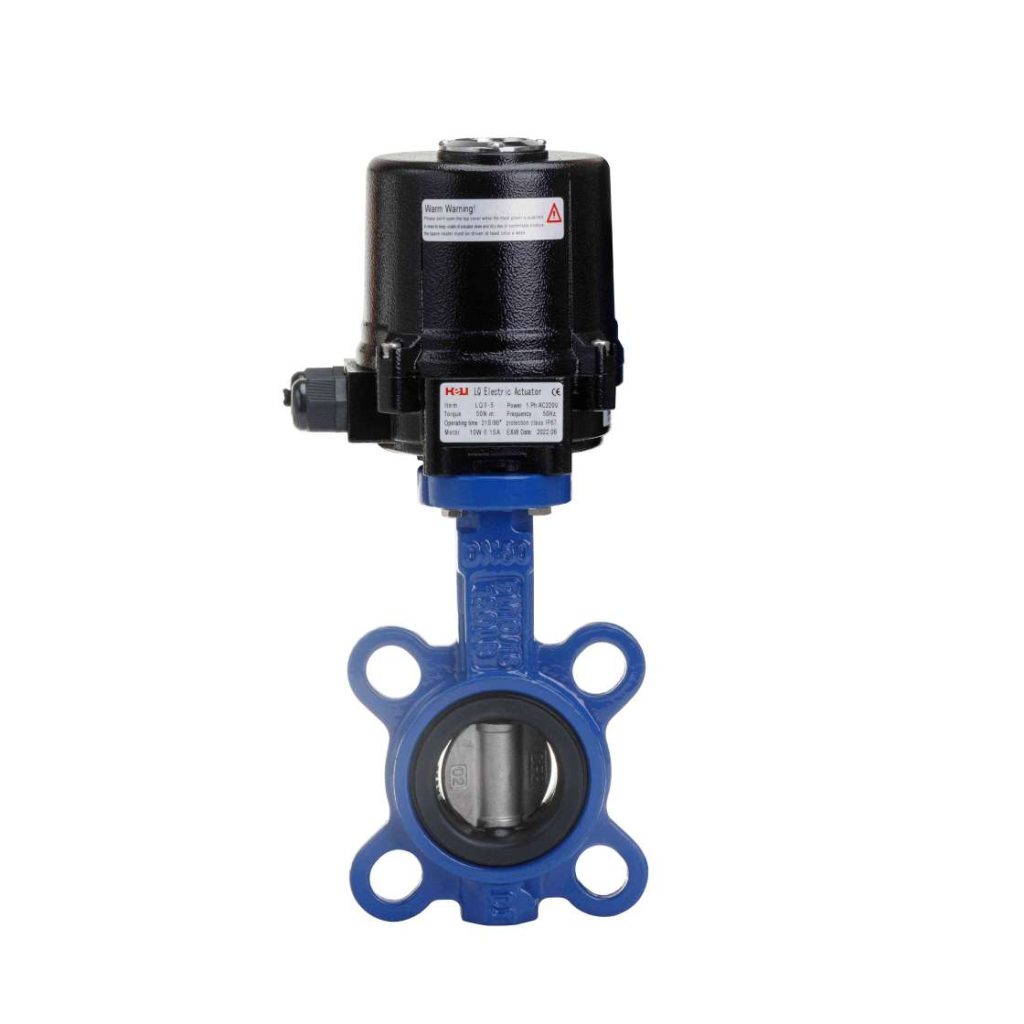
What is an Electric Butterfly Valve?
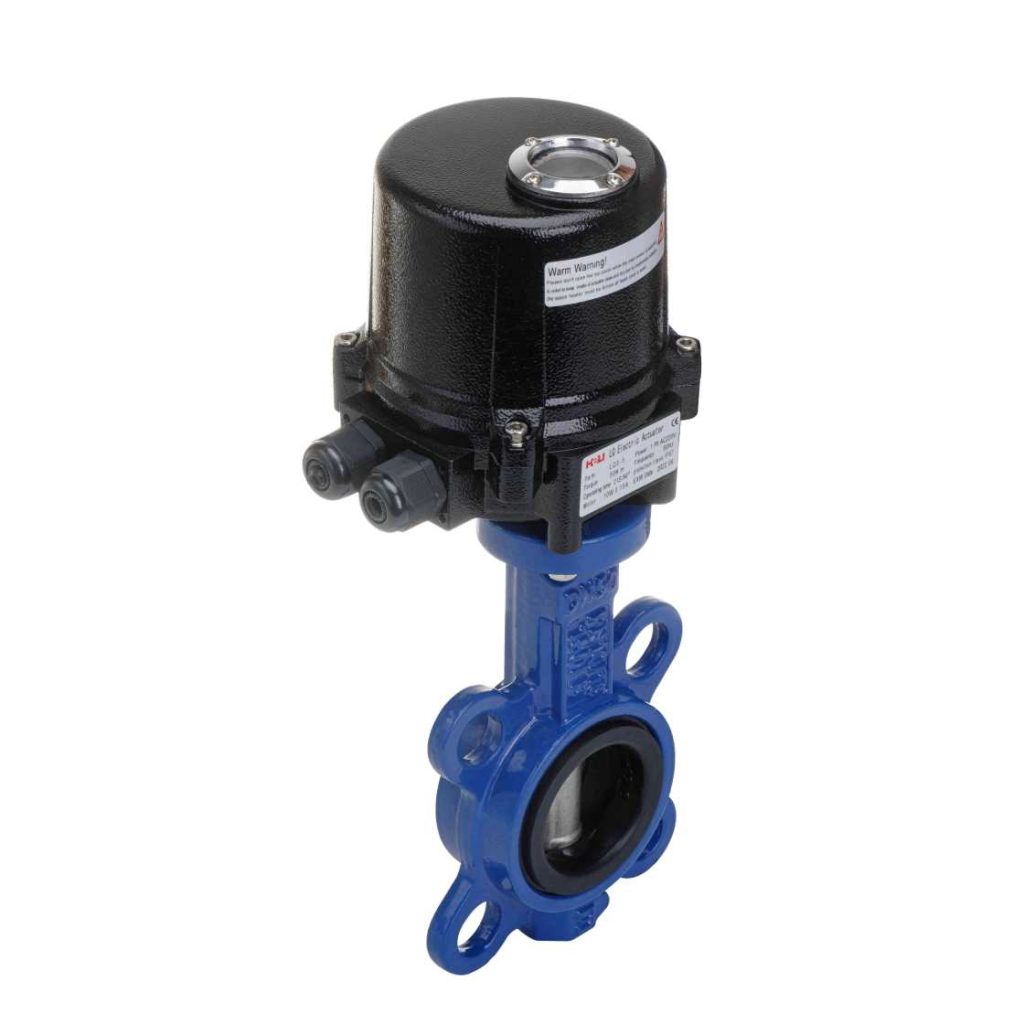
An electric butterfly valve consists of a circular disk or “butterfly” that rotates within a pipe to control the flow of fluids. The disk is connected to an electric actuator, which is used to open or close the valve. The actuator can either be manual or automated, allowing for remote control and integration into larger automated systems. The valve can be used to regulate not only the flow rate but also the pressure and temperature of the fluids passing through the pipeline. The electric actuator used in these valves typically includes a motor and control unit, which receive signals from a control system to adjust the valve’s position. This system can include an on/off mode for simple flow control or a more sophisticated proportional control for finer adjustments.