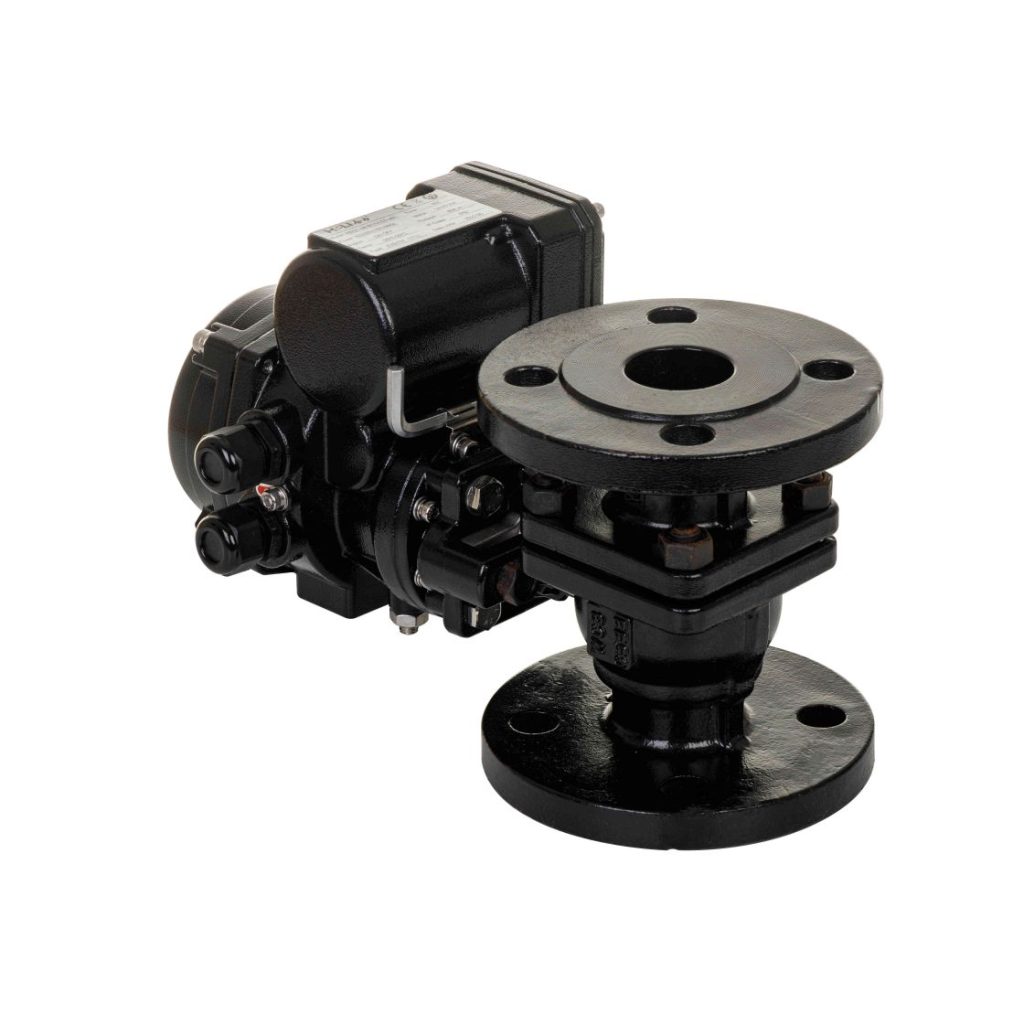
Electric flange ball valves are an essential component in modern industrial fluid control systems, providing a reliable and efficient solution for managing the flow of liquids and gases. These valves, which combine the robust design of ball valves with electric actuators, are widely used across various industries, including oil and gas, water treatment, chemical processing, and HVAC systems. In this article, we will explore the key benefits of electric flange ball valves, the role of manufacturers in producing these valves, and their applications in today’s industrial landscape.
What is an Electric Flange Ball Valve?
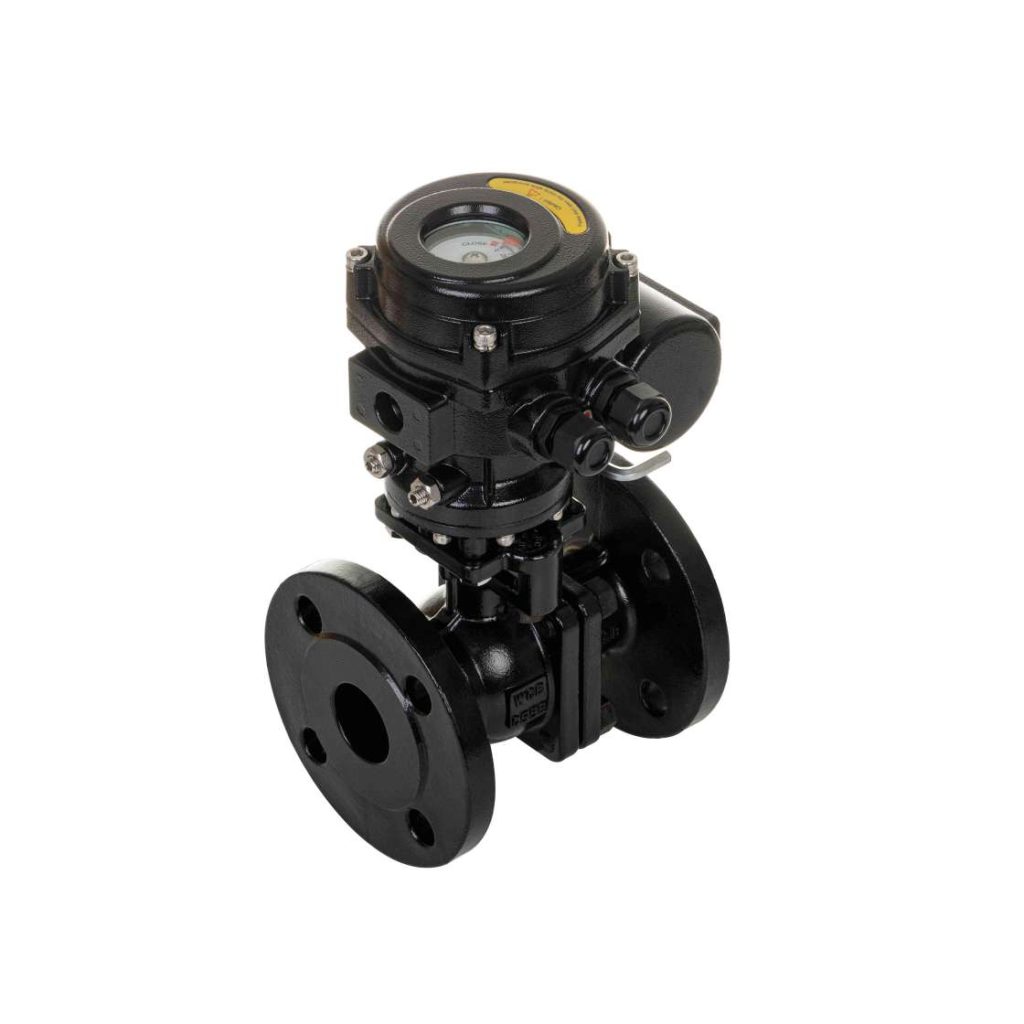
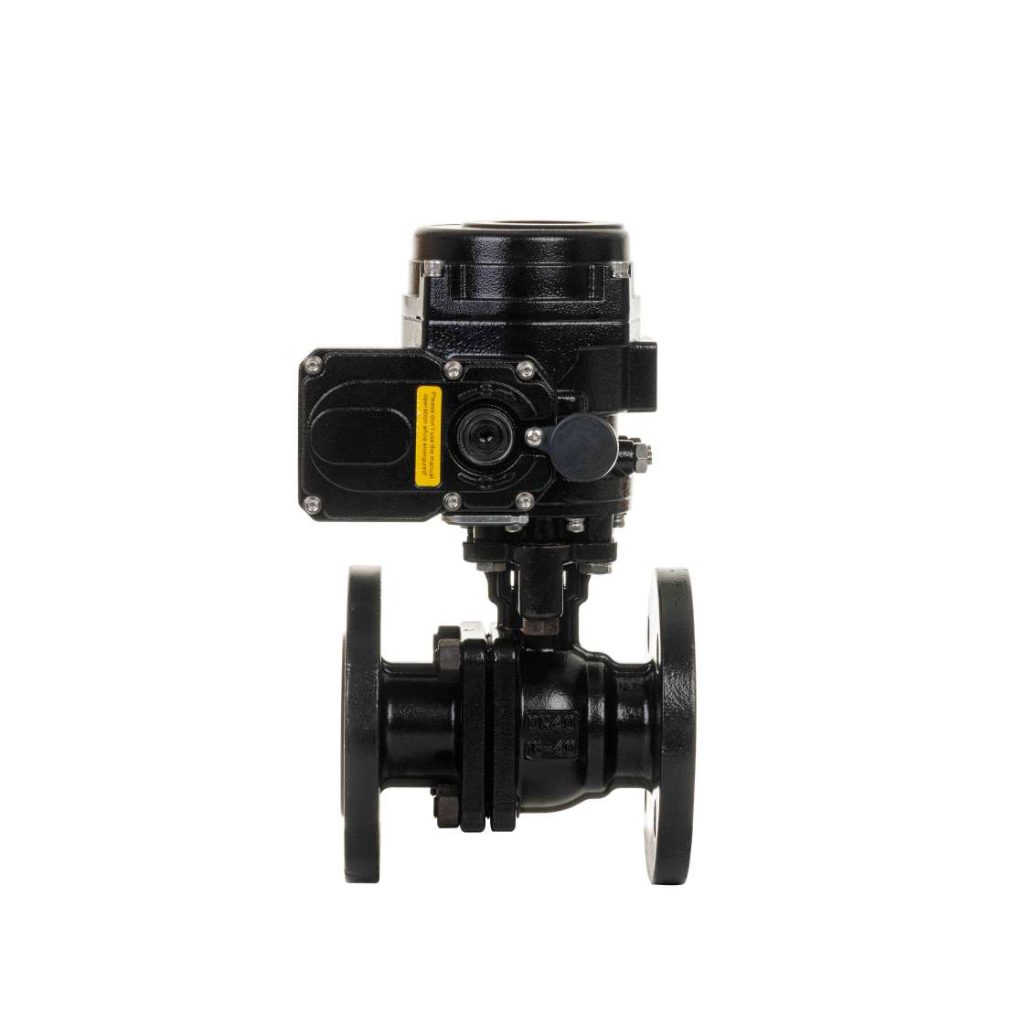
An electric flange ball valve is a type of valve that uses a ball with a hole in the center to control the flow of fluids. The ball valve is mounted between two flanges, which are then bolted to a pipeline. The most distinctive feature of an electric flange ball valve is the use of an electric actuator, which automates the opening and closing of the valve. This allows for remote or automated control of fluid flow, making the valve ideal for applications where precision and safety are crucial. The valve’s ball rotates to control the flow. When the valve is in the open position, the hole in the ball aligns with the flow of the fluid, allowing it to pass through. When closed, the ball rotates so that the hole is no longer in alignment with the flow, effectively stopping the fluid. This simple yet effective mechanism is what makes ball valves a popular choice in industrial settings.