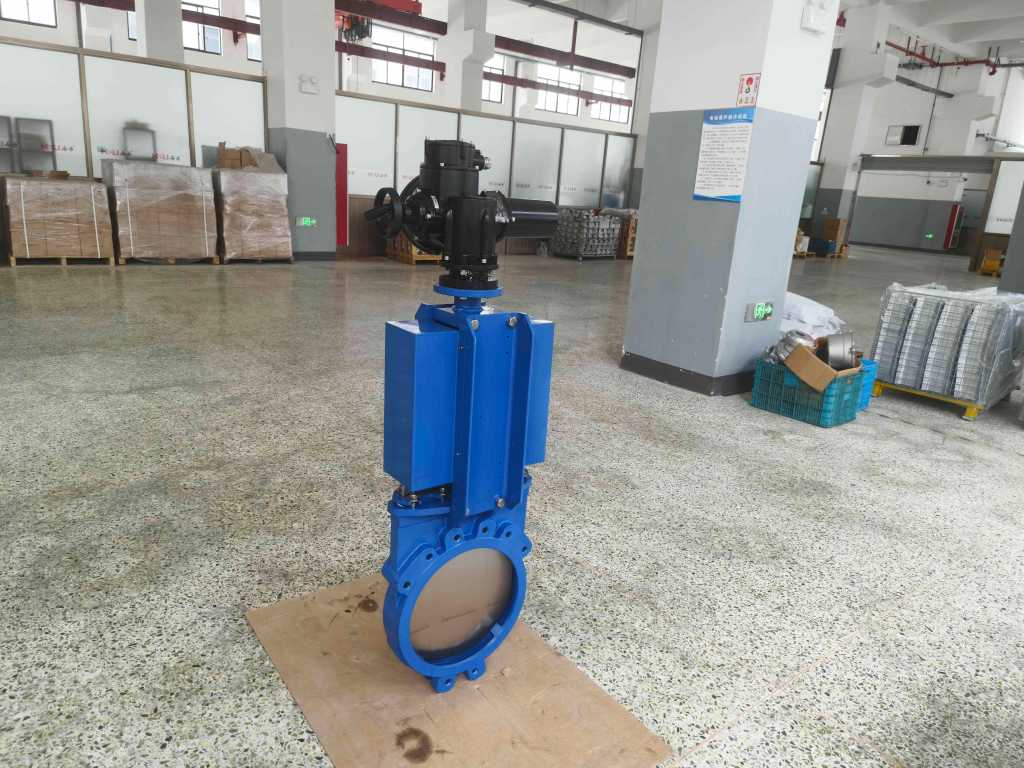
Electric flat gate valves have become an essential component in various industries, offering a high degree of reliability and automation. Designed to control the flow of liquids and gases, these valves are widely used in sectors such as oil and gas, chemical processing, water treatment, and power generation. The integration of electric actuators into gate valves allows for efficient operation, ease of maintenance, and enhanced control over fluid systems. This article explores the key features, working principles, and diverse applications of electric flat gate valves.
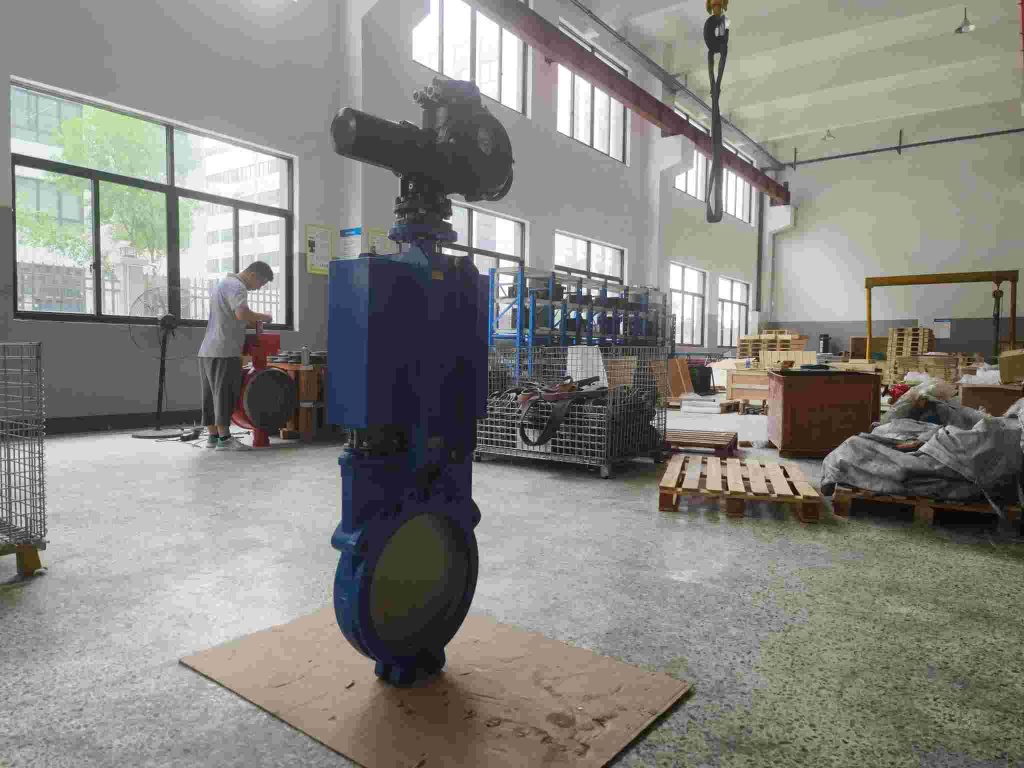
What is an Electric Flat Gate Valve?
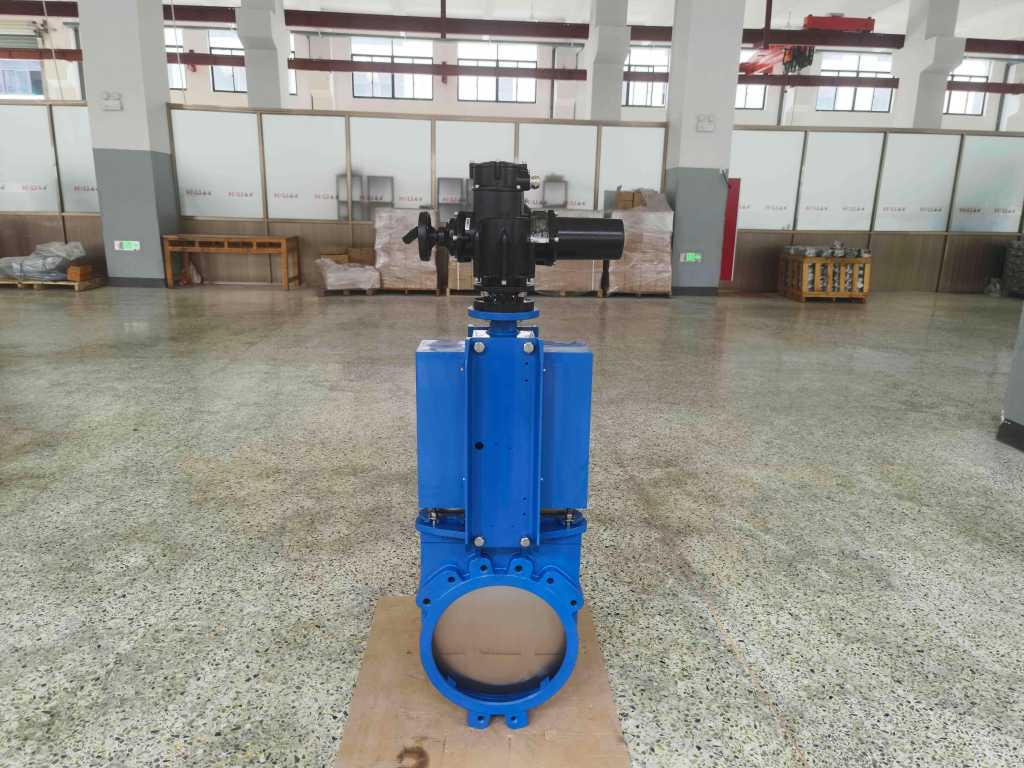
An electric flat gate valve is a type of valve designed to regulate the flow of fluids in pipelines by using a flat gate or disc that moves vertically to open or close the flow passage. The “electric” aspect of the valve refers to its actuator mechanism, which is powered by electricity to provide automatic control over the valve’s operation. This electric actuator replaces manual operations, offering several advantages such as precise control, remote operation, and reduced human error. The flat gate design is unique in that the gate is flat rather than wedge-shaped, allowing for a smoother and more consistent seal. This design is particularly effective in minimizing leakage and ensuring that the valve functions efficiently in both fully open and closed positions.