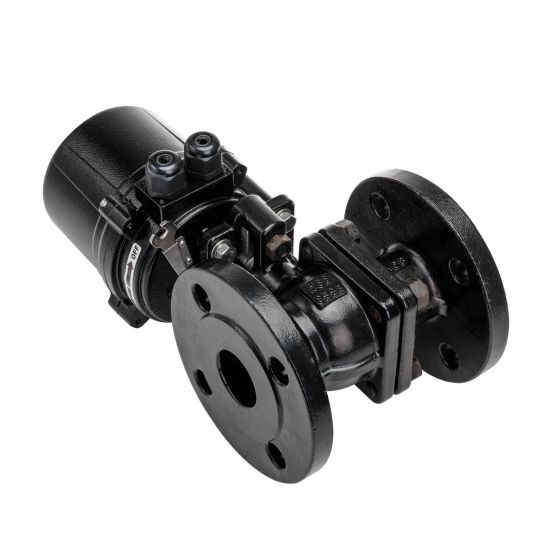
Electric high temperature ball valves are crucial components in industrial applications where precise control of fluid flow is required, especially in high-temperature environments. These valves integrate the reliable functionality of ball valves with the precision and automation provided by electric actuators, making them essential in industries such as chemical processing, oil and gas, power generation, and more. This article will explore the features, working principles, applications, and benefits of electric high temperature ball valves, shedding light on their significance in modern industrial processes.
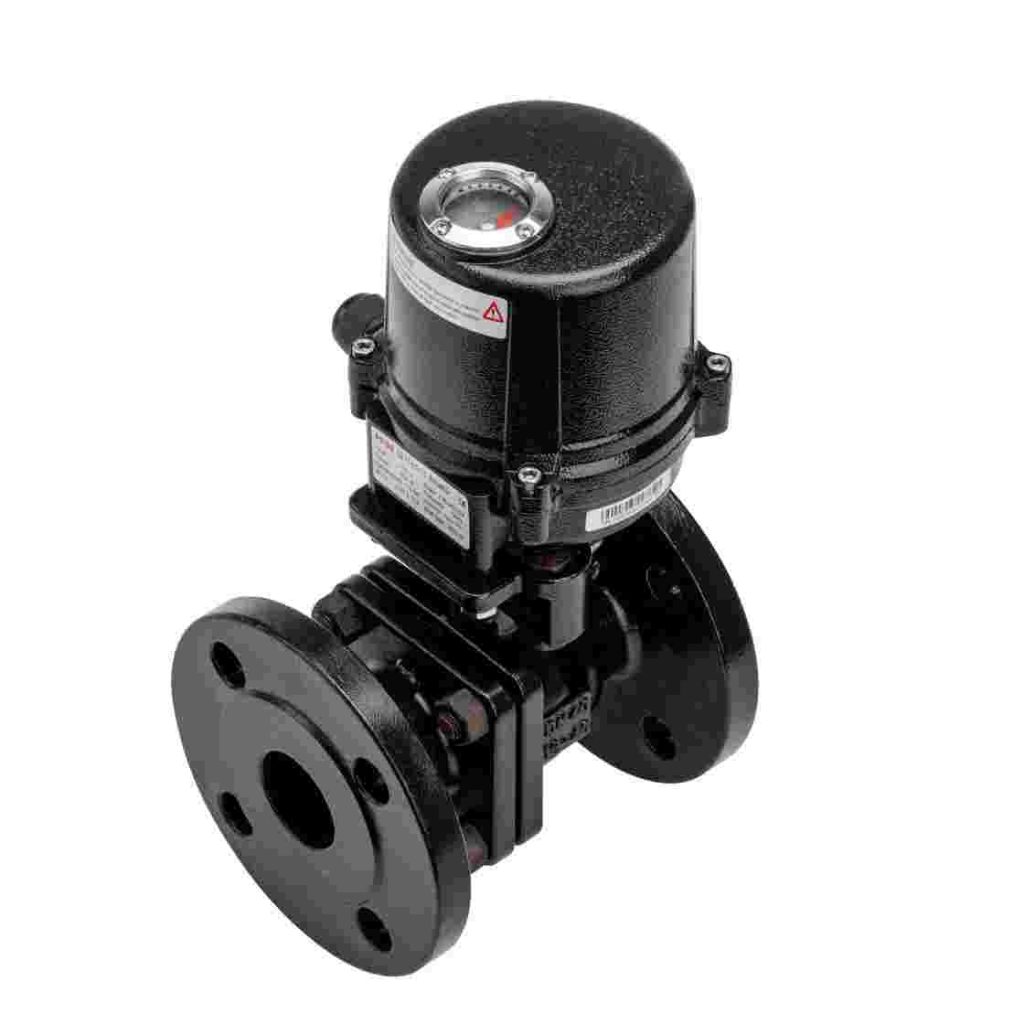
What is an Electric High Temperature Ball Valve?
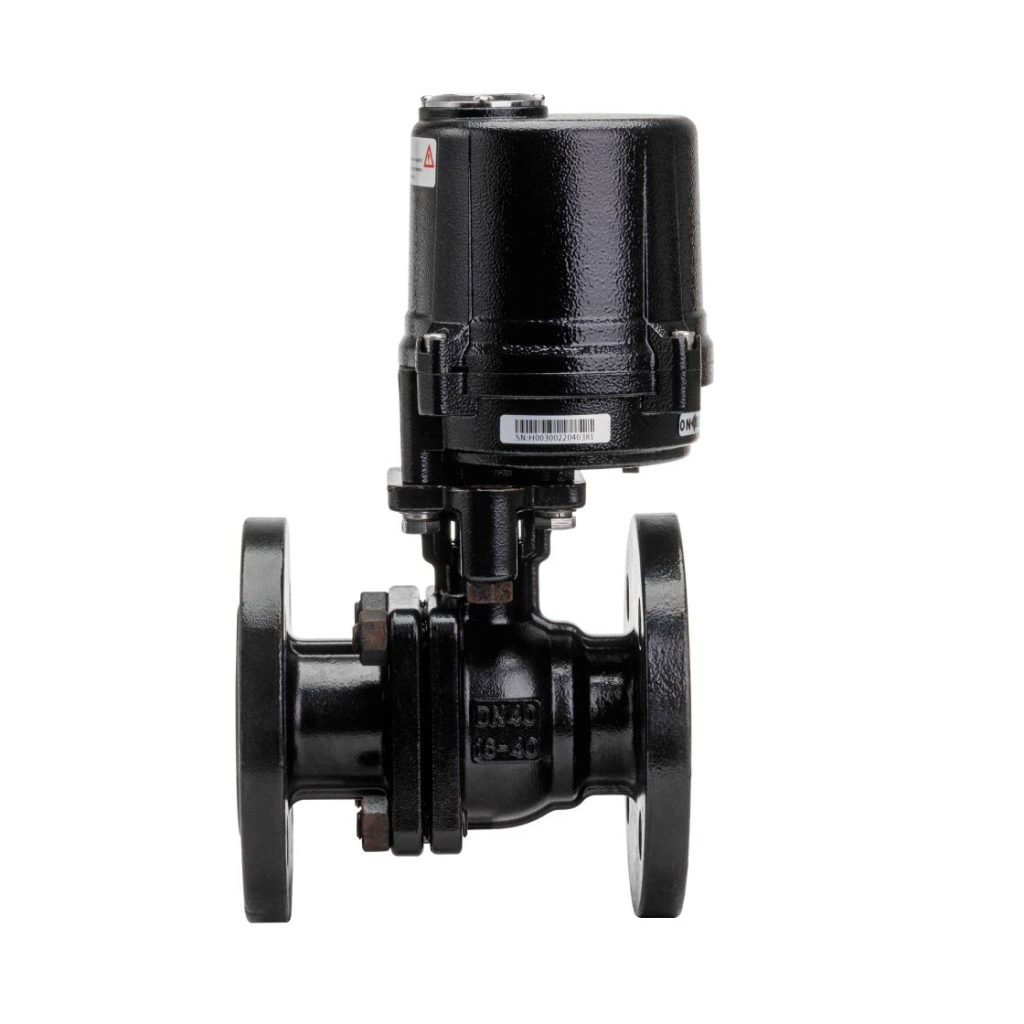
An electric high temperature ball valve is a type of valve that uses an electric actuator to control the rotation of a ball within the valve body. The ball, which has a hole or port through its center, rotates 90 degrees to either allow or block the flow of fluid. When coupled with an electric actuator, the valve can be automatically controlled, allowing for precise regulation of flow based on system requirements. These valves are designed to withstand high temperatures, often above 200°C (392°F), and are used in environments where standard valves may fail due to thermal stress. The materials used for manufacturing these valves, such as stainless steel or specially alloyed metals, are engineered to perform reliably in extreme conditions.