Lock Out Tag Out (LOTO) is a critical safety procedure designed to protect workers from the unexpected release of hazardous energy during equipment servicing and maintenance. As industrial systems become increasingly complex, and as workplaces continue to prioritize safety culture, the importance of a robust Lock Out Tag Out program has grown significantly. This article explores the purpose, components, and best practices of LOTO, emphasizing why it remains one of the most essential safety protocols in modern industrial environments.
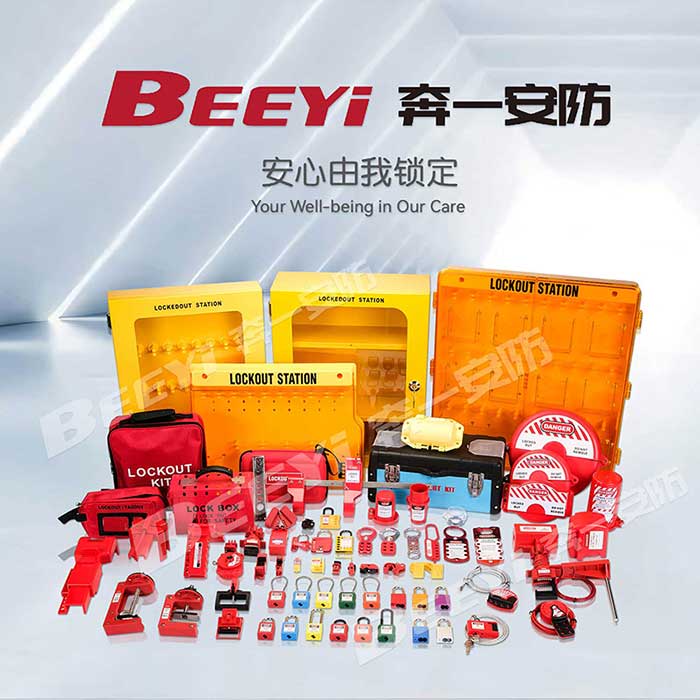
Lock Out Tag Out refers to a systematic process that isolates energy sources and prevents equipment from being accidentally energized or activated. Many industrial machines contain multiple types of hazardous energy—electrical, mechanical, hydraulic, pneumatic, thermal, or chemical. Without proper isolation, workers performing repairs or inspections may face serious or even fatal injuries. LOTO addresses this risk by ensuring that every energy source is identified, isolated, locked, and clearly marked before any work begins. A comprehensive LOTO procedure generally includes several key steps. First, authorized personnel must notify all affected employees of the intended shutdown. Next, the equipment must be powered down properly. Once the machine is off, each energy source is isolated using its appropriate control mechanism—such as circuit breakers, valves, or mechanical blocks. The core of the process lies in applying a lock and a tag. The lock prevents the device from being operated, while the tag provides critical information, including the worker’s name, date, and reason for the lockout. The final and arguably most essential step is verification: the worker must attempt to start the machine to confirm that the lockout is fully effective.