Lockout/Tagout (LOTO) locks are an essential part of workplace safety protocols, particularly in industries where workers are exposed to hazardous energy sources such as electricity, mechanical systems, or chemicals. These locks help prevent accidental release of energy while maintenance or repair work is being conducted, significantly reducing the risk of injuries and fatalities. This article explores the importance of LOTO locks, their functionality, and the best practices to implement them effectively in industrial environments.
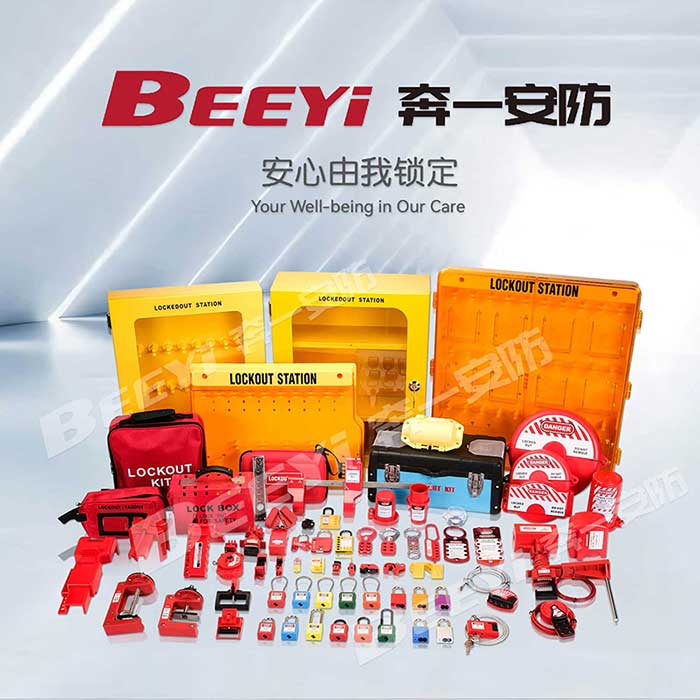
What are LOTO Locks? LOTO locks are devices used to isolate and control hazardous energy during the maintenance of machinery or equipment. The primary objective is to ensure that machines remain inoperable while being worked on, and that energy sources like electricity, gas, or compressed air are not accidentally turned back on. Typically, a lock and a tag are applied to energy-isolating devices to prevent unauthorized activation and to provide a clear warning to anyone interacting with the machinery. The lock itself is usually a heavy-duty, tamper-resistant device, often made from durable materials such as plastic or metal, designed to withstand harsh working environments. Each lock has a unique key, preventing unauthorized personnel from removing it. Tags are attached to the lock to communicate the identity of the person who applied the lock, along with the purpose of the lockout and the time of application.