In every industrial setting, the safety of workers is paramount. Preventing accidents that can arise from the unintended operation of machinery is a critical component of workplace safety programs. One of the most effective and widely used methods to ensure that machinery stays deactivated during maintenance or repair is through the use of LOTO (Lockout/Tagout) safety padlocks. These padlocks play a key role in the lockout/tagout safety procedure, designed to protect workers from the dangers of energized equipment. This article delves into the importance of LOTO safety padlocks, their function, and why they are indispensable in any industrial safety program.
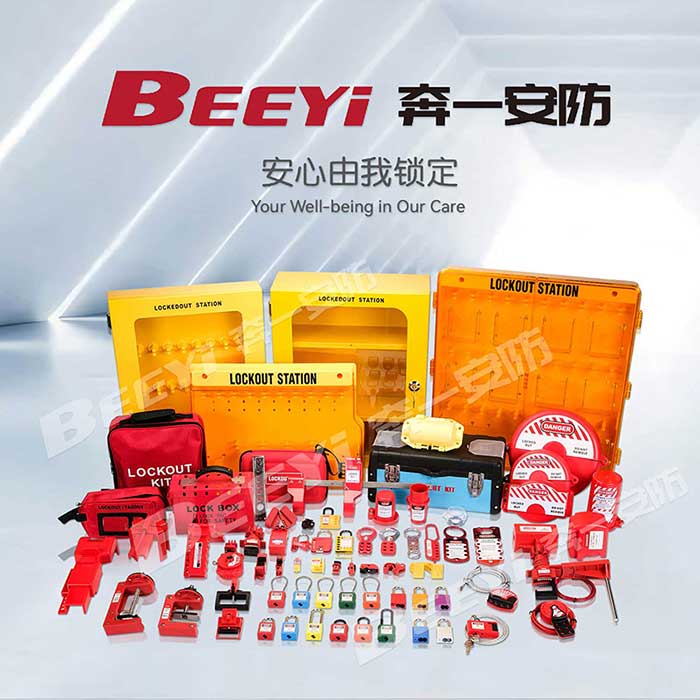
What is LOTO? LOTO stands for Lockout/Tagout, a safety procedure used to ensure that machines or equipment are properly shut down and cannot be restarted while maintenance or servicing is being performed. The procedure involves isolating the energy sources that power the machinery, placing a lock on the energy isolating device, and tagging it with a warning label. The lockout prevents other workers from inadvertently starting the machine, while the tag serves as a warning to indicate that maintenance or repair is in progress. LOTO procedures are vital in preventing workplace injuries or fatalities caused by the accidental release of hazardous energy, such as electrical, mechanical, hydraulic, or thermal energy. These energy sources can be unpredictable and dangerous, especially when maintenance is being carried out without adequate precautions.