The rapid growth of the electric vehicle (EV) market has placed immense demands on automotive manufacturers to create systems that ensure both efficiency and safety. Among the critical components of electric vehicles are relays, and one standout product in this category is the Panasonic EV Relay. This component plays a pivotal role in managing the flow of electricity between the vehicle’s high-voltage battery and other systems, providing both reliability and safety for the vehicle’s powertrain. In this article, we explore the functions, benefits, and applications of the Panasonic EV Relay, highlighting why it is essential for modern EV design.
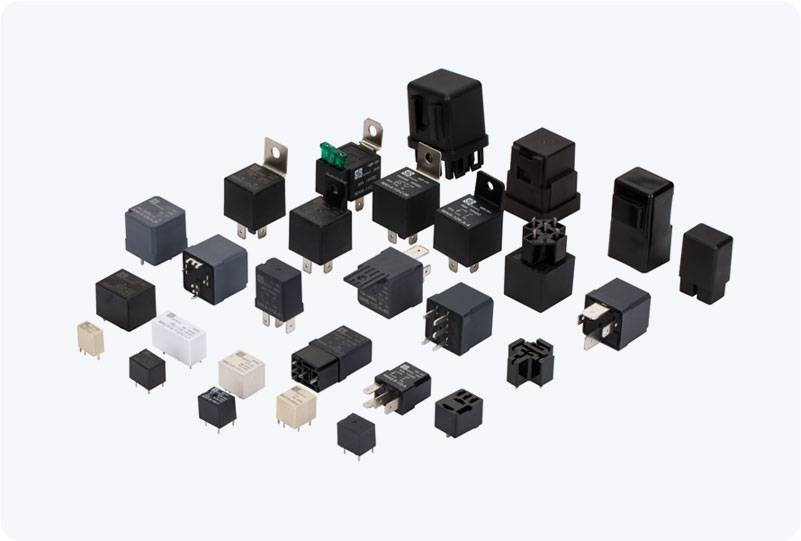
What is the Panasonic EV Relay? A relay is an electrically operated switch that controls the flow of current between two circuits. The Panasonic EV Relay is specifically designed for electric and hybrid vehicles, where it manages the electrical connections between the high-voltage battery and other critical components, such as the inverter, electric motor, and charging systems. It is crucial for switching between charging and driving modes and is often referred to as a “battery relay” or “high-voltage relay.” Key Features of the Panasonic EV Relay 1. High Current Capacity Electric vehicles require high currents for charging and discharging the battery, and the Panasonic EV Relay is built to handle these heavy loads. The relay can carry substantial current, which is essential for supporting the high-performance requirements of EVs, especially when they are rapidly charging or discharging. This capability ensures that the vehicle’s power system operates efficiently without overheating or experiencing damage due to excessive current.