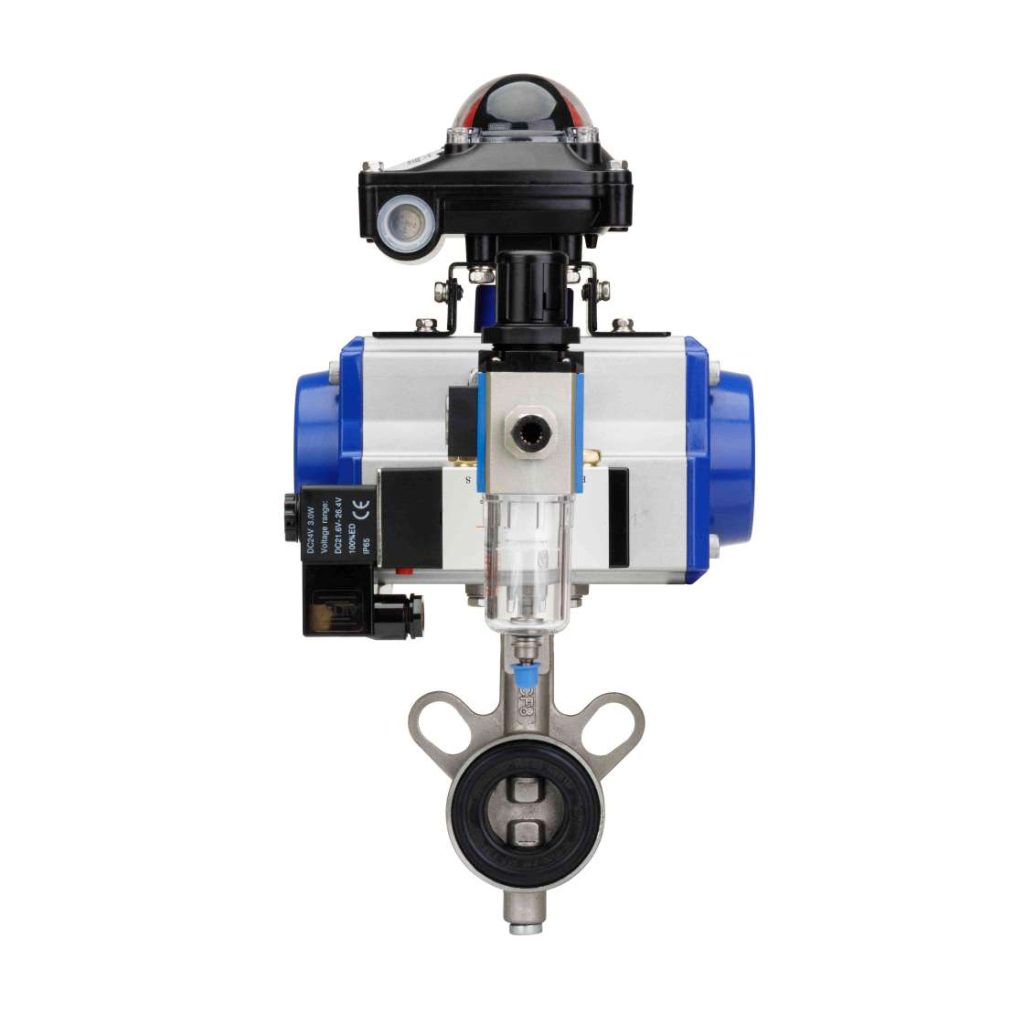
Explosion-proof pneumatic butterfly valves play a crucial role in industries where safety is paramount, particularly in hazardous environments involving flammable gases, liquids, or dust. These valves combine the benefits of pneumatic control with explosion-proof protection, ensuring both efficient fluid control and the safety of personnel and equipment in dangerous workspaces. This article explores the features, working principles, applications, and benefits of explosion-proof pneumatic butterfly valves, shedding light on why they are an indispensable tool in modern industrial systems.
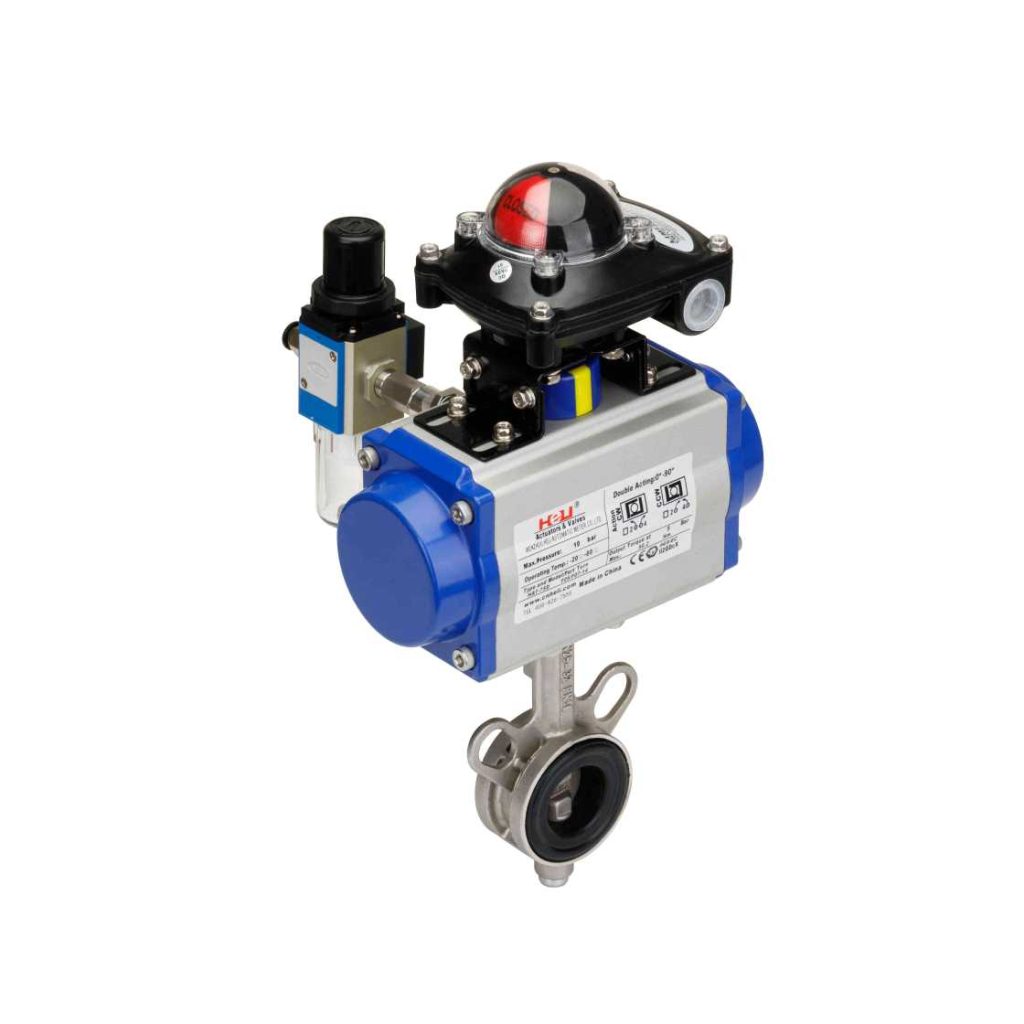
What is an Explosion-proof Pneumatic Butterfly Valve?
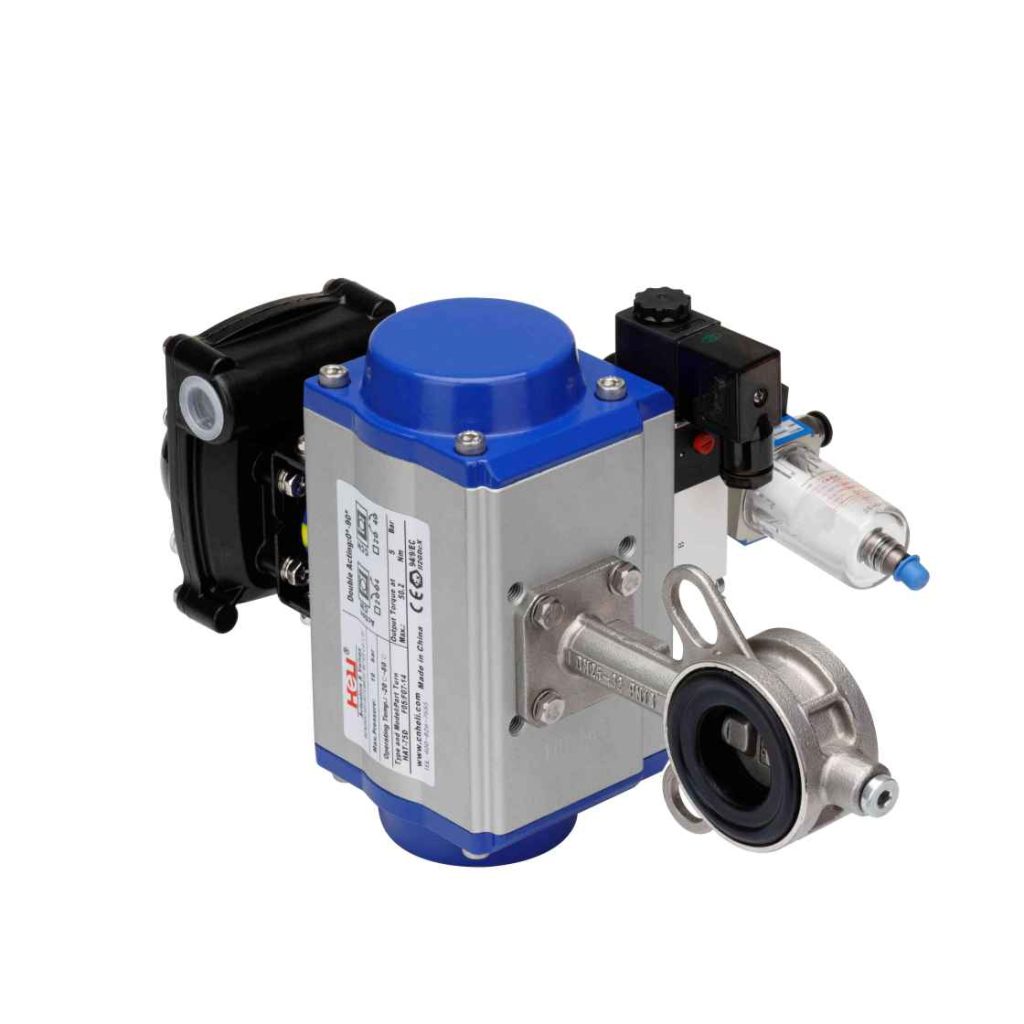
An explosion-proof pneumatic butterfly valve is a type of flow control valve designed to operate safely in hazardous environments prone to explosions or fires. It combines a pneumatic actuator, which uses compressed air for operation, with a butterfly valve structure, known for its efficient flow regulation. The “explosion-proof” designation refers to the valve’s ability to prevent the ignition of flammable gases, liquids, or dust within the valve itself, thus avoiding potential explosions in volatile environments. Key Features Explosion-proof Design: One of the most significant features of explosion-proof pneumatic butterfly valves is their ability to operate in explosive atmospheres. The components of these valves are constructed to meet stringent safety standards such as ATEX (Europe) and IECEx (International), ensuring they do not create sparks or heat that could ignite surrounding gases or dust. The housing and electrical parts are specially sealed and protected to prevent any internal explosions from spreading to the external environment.